The flowers that bloom in each of the four seasons are one of the joys of exploring the wetlands.
Flowers are beautiful even if you don't know their names, but sometimes you just want to know what they are when you see them.
However, identifying the names of a wide variety of plants is not easy.
I myself am not very knowledgeable about plants, so I am researching them before posting them on the website.
This time, I'll introduce my study methods.
How do you remember the plants of the marsh?
There are many unique plants in the marshland
You don't need to consult a thick field guide to identify flowers in a wetland.
because,Only a limited number of plants can live in special environments such as wetlands.Therefore.
There are also endemic species, such as butterfly thistle and water lily, that only bloom in a few wetlands.
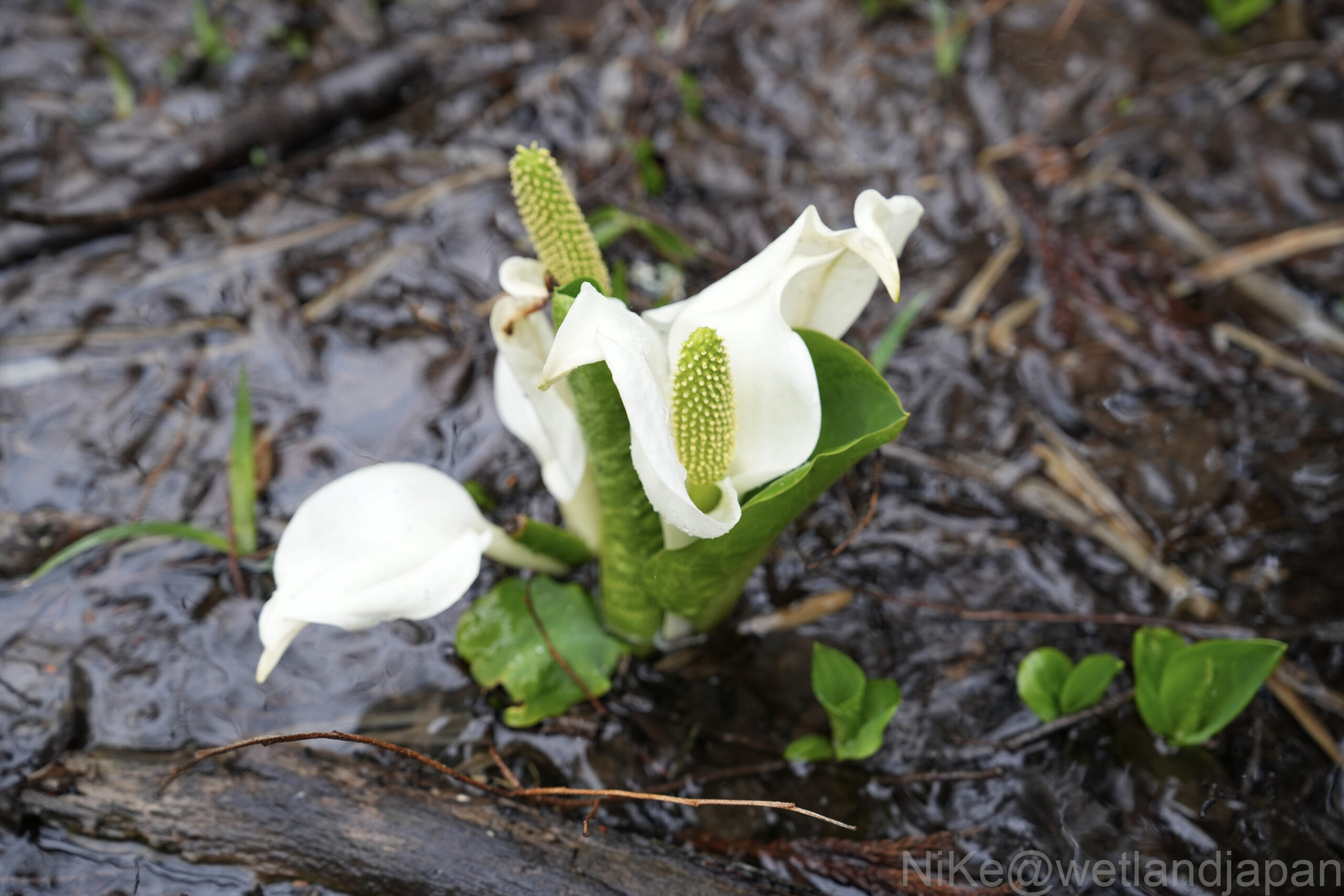
Therefore,Understand what plants bloom in the marshes you visitThat is the best approach.
Value local information
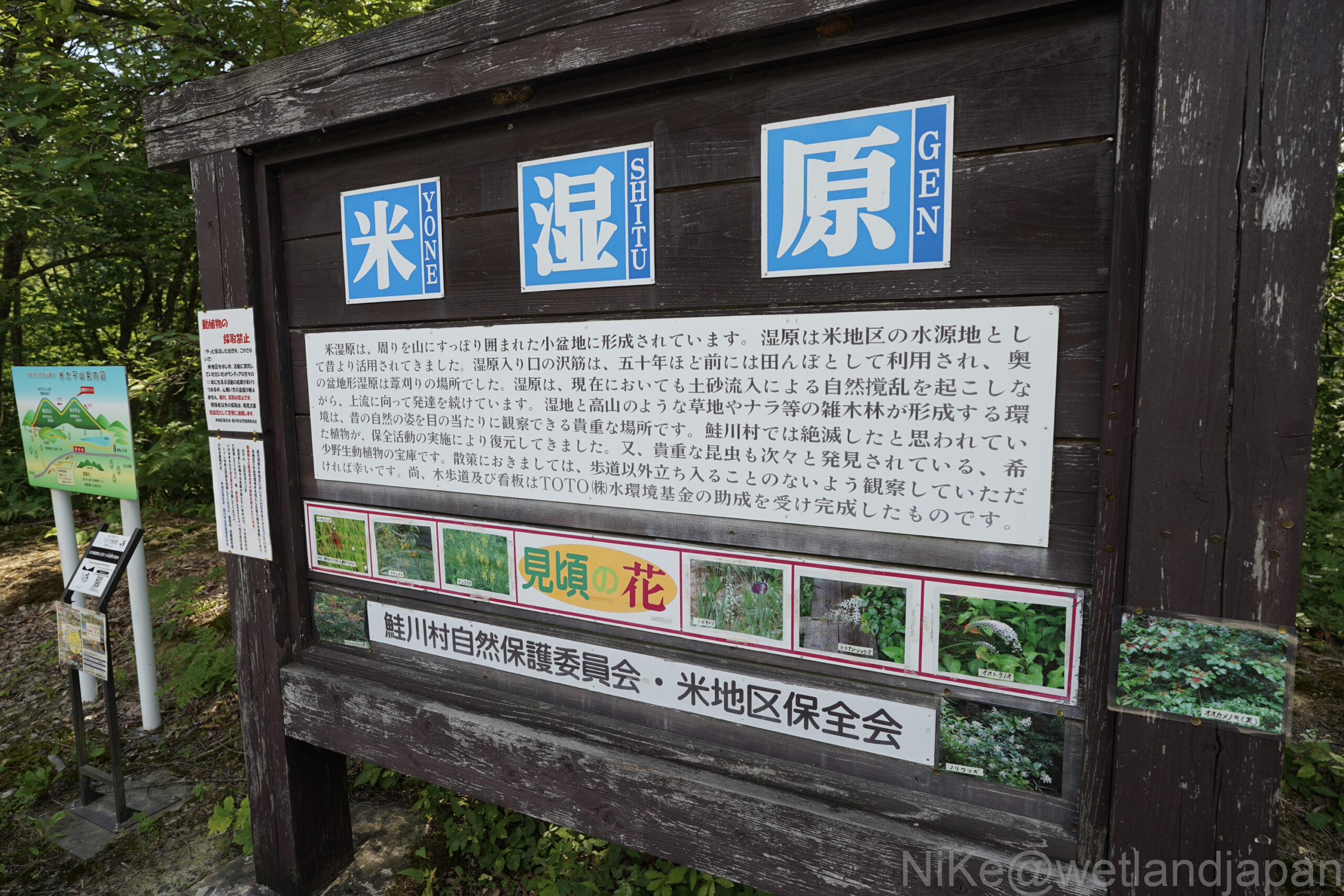
Signs at visitor centers and entrances to wetlands often provide information about the flora and fauna that inhabit the area, as well as the best times to observe them.
Whenever I visit, I always take a photo so I can verify it.
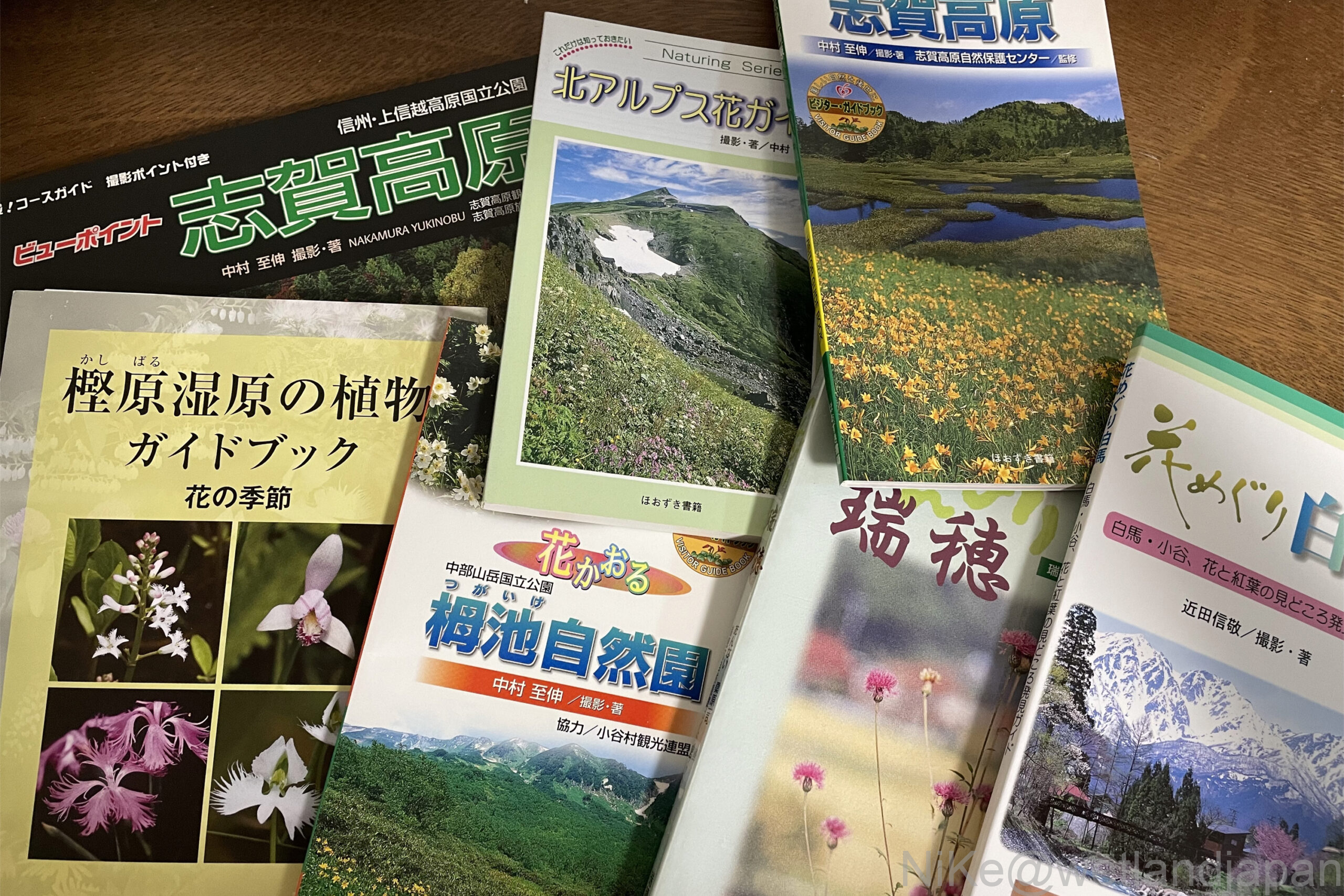
Guidebooks and pamphlets about the wetlands are sometimes distributed or sold, so I always make sure to buy one.
They are sometimes sold at visitor centers and souvenir shops.
These booklets are often only available locally, so I recommend buying them if you find them.
It's interesting because it describes wetlands from multiple perspectives, including not only the flower calendar but also their formation and cultural aspects.
Also, some famous wetlands have flower calendars with photos posted on their websites.
This is another thing you might want to keep in mind when you visit.
But I still want to increase my knowledge!
Hands-on learning
You don't need to sit at your desk and diligently read a botanical encyclopedia to increase your knowledge.
Many of the flowers you see in the wetlands are quite unique, so if you see them each time you visit the wetlands, you'll start to recognize some of the familiar faces.
I think it's best to take your time and gradually increase your knowledge with each exploration.
By taking pictures, organizing them, and keeping records, you steadily increase the amount you've learned.
Finally, the illustrated book
Furthermore, when you want to know more details or when the information mentioned above is insufficient for identification, a plant identification guide can be helpful.
It's interesting because it describes in detail how to distinguish between similar plants like Japanese irises and irises.
Some field guides allow you to search for flowers by color or shape, so it's a good idea to look for a book that suits your preferences.
As you learn more, it can even inspire new travel plans, like, "I want to see this plant, so I'll go there at this time of year!"
summary
The plant world is quite deep, but the flowers you will encounter in the marshes are the usual suspects!
I hope that you will learn little by little and enjoy your life in the marshes to the fullest!
 ENGLISH
 JAPANESE
Comments