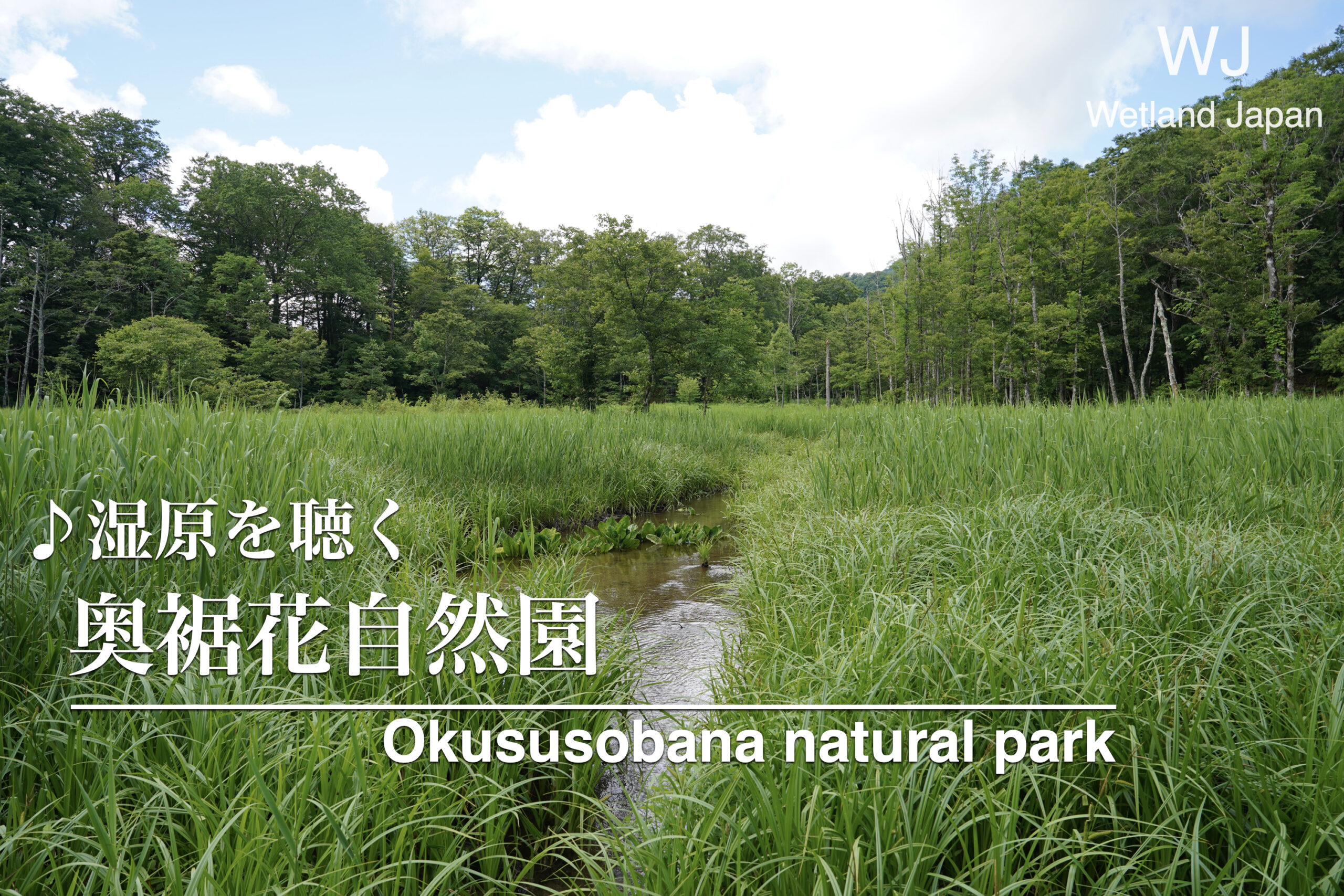
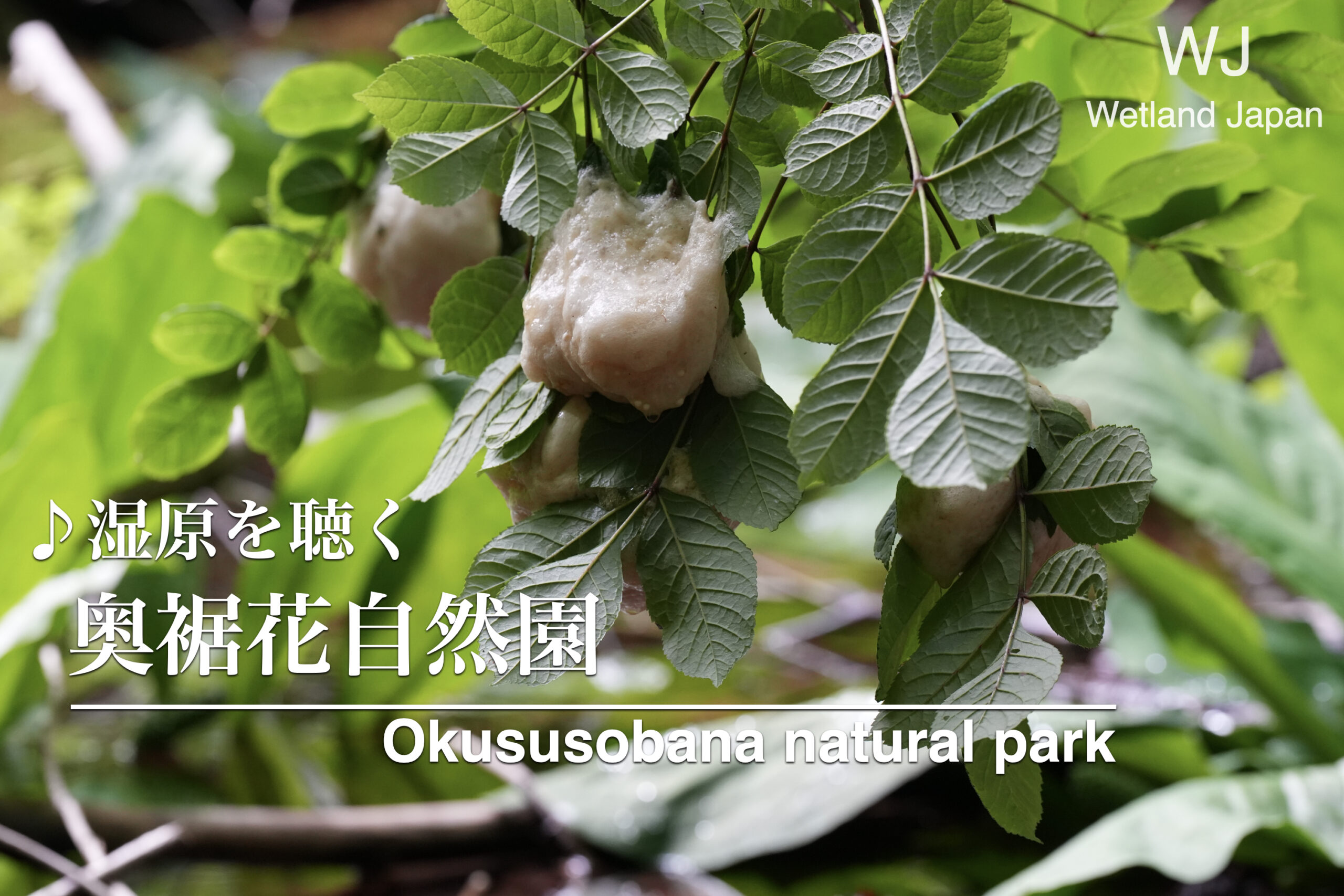
At Okususobana Nature Park in early summer, you can enjoy the sounds of forest tree frogs. Many eggs were observed around the pond. Why not enjoy the forest tree frog season to the fullest? https://www.youtube.com/watch?v=x_1lBC1xca0 Forest tree frog eggs laid on a tree.
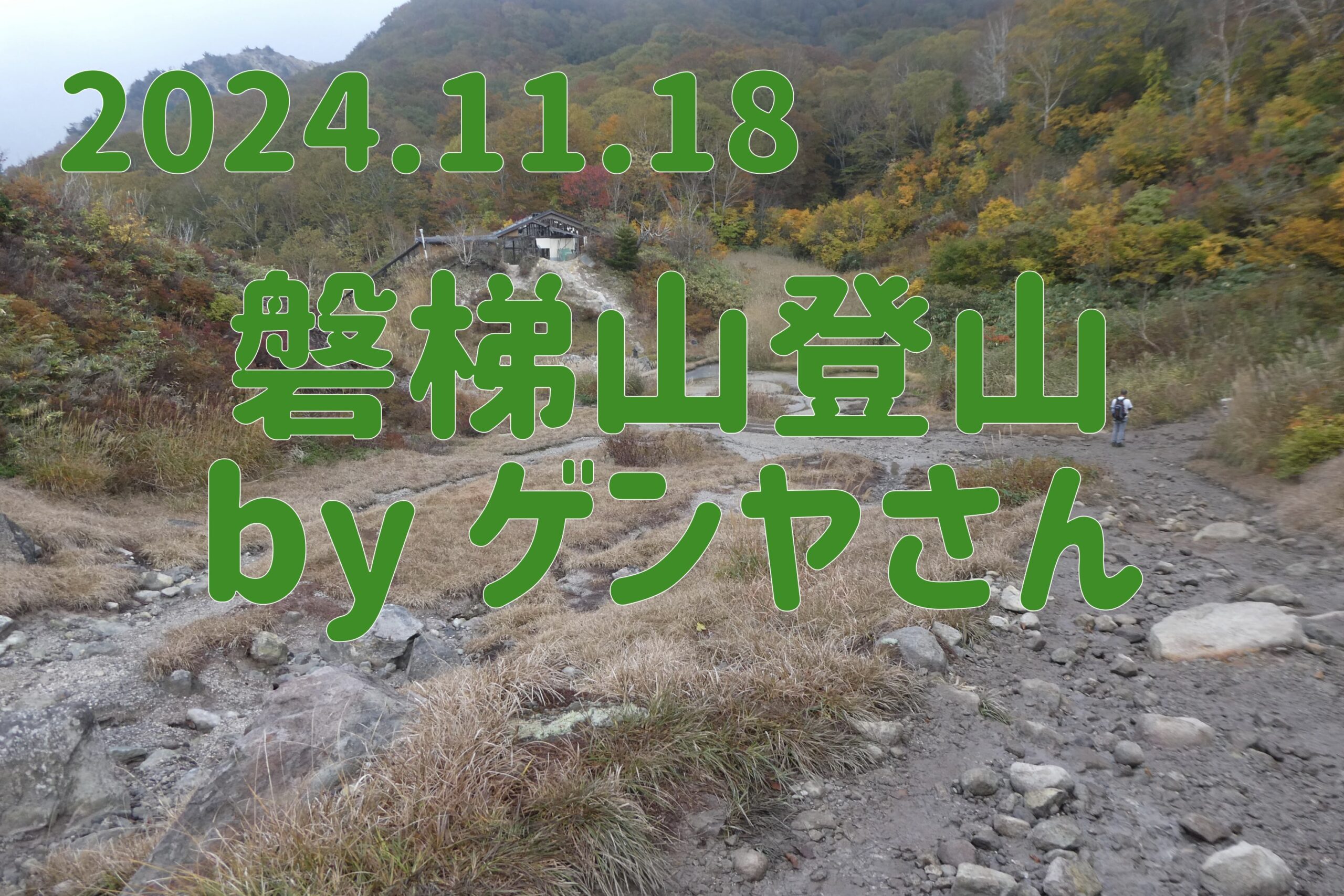
7:30 on the 18th, Happodai trailhead, more than 10 cars, surprisingly many climbers despite it being a weekday. On the way here, I noticed a bear warning sign, but the bears are probably shy and won't come out onto the trail. When I started walking, the leaves were still green. Happodai trailhead. The beginning of autumn leaves. After about 30 minutes of climbing, I came to the remains of Nakanoyu. The building is dilapidated, but hot water still comes out. The remains of Nakanoyu. ...
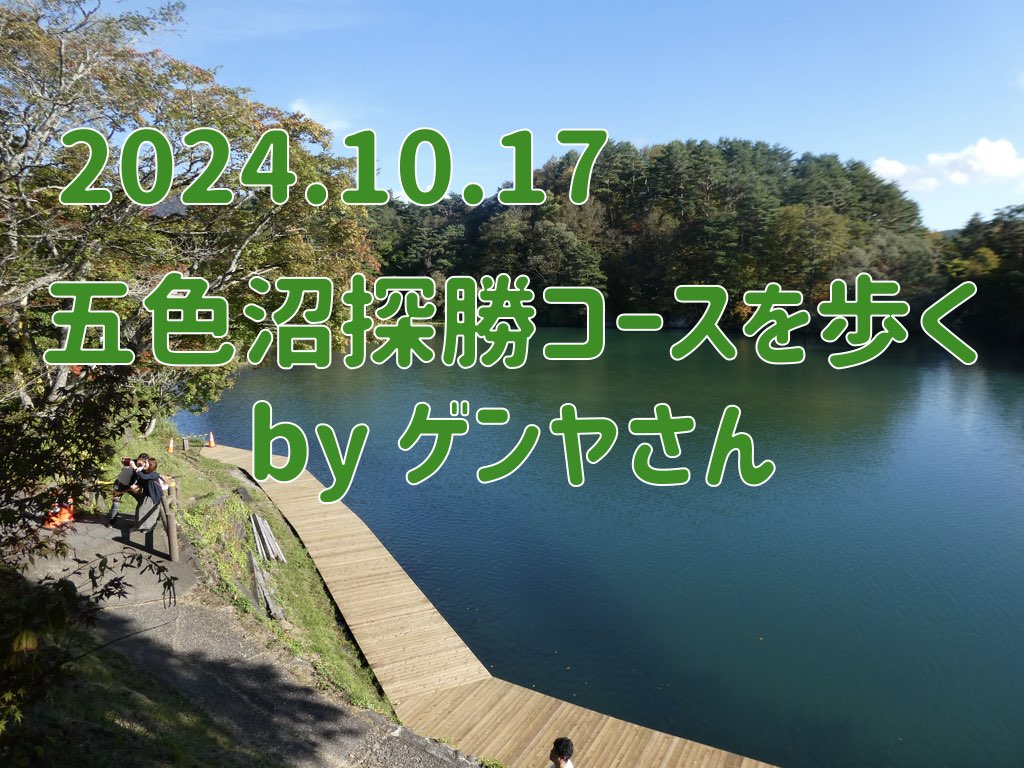
In mid-October, I would have thought that Goshikinuma, located at an altitude of about 750m, would be in the middle of autumn foliage, but this year was generally hot, so the leaves had just started to change color. Before going for a walk, I looked up the origins of Goshikinuma. When Mt. Bandai had a phreatic eruption in 1888, a mountain collapsed on the north slope, causing a large amount of debris avalanche, which caused the Nagase River flowing at the foot of the mountain...
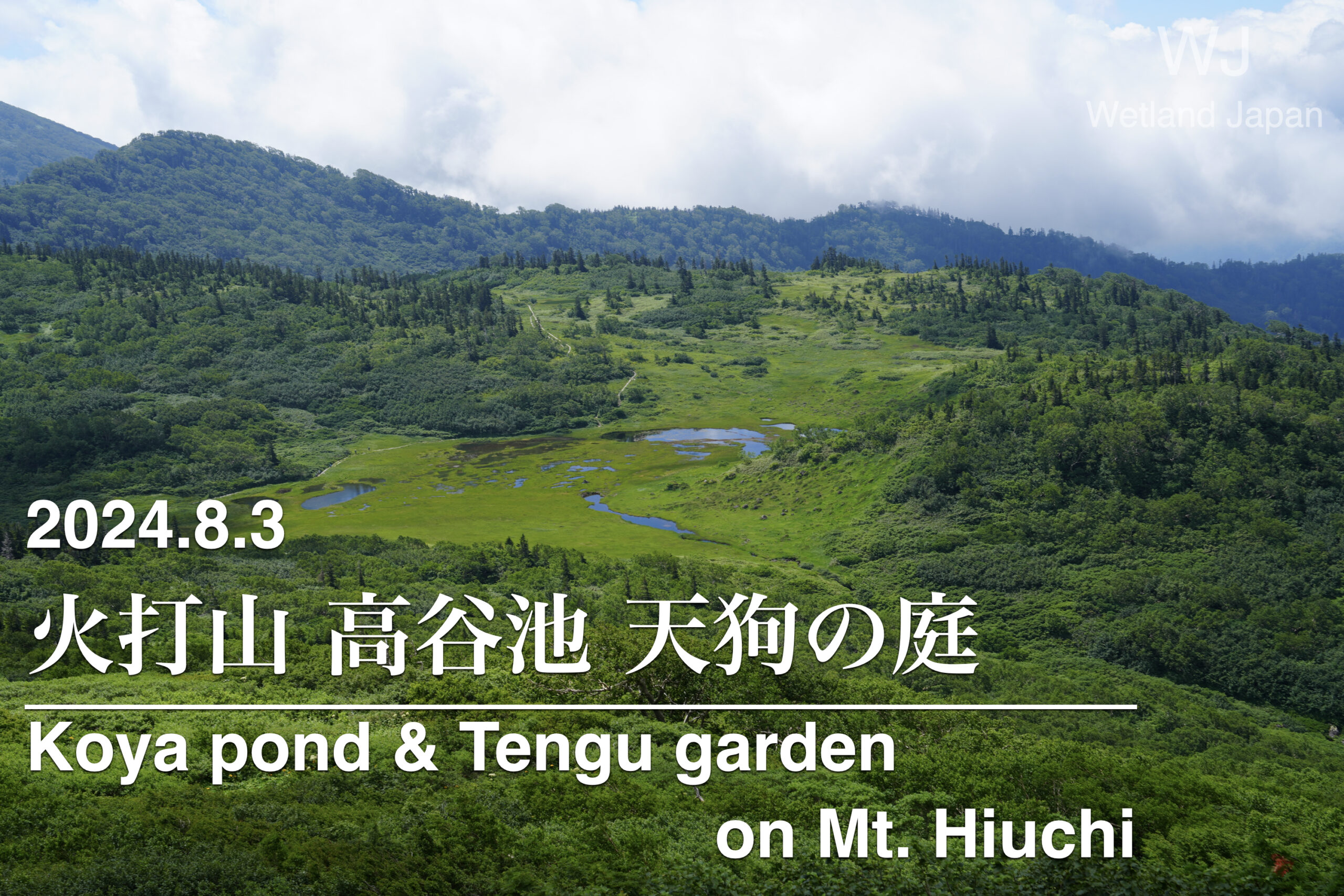
This time, I went to Mt. Hiuchi in Myoko Kogen. In addition to the marshes such as Imori Pond and Numanohara Marsh, Myoko Kogen is also rich in mountains such as Mt. Myoko and Mt. Kurohime. When I climbed Mt. Myoko before, I could see Tengu's Garden from the top, and I wanted to go there someday. It seems to be famous for its autumn leaves, but I decided to climb it because I thought the lush marshland in summer would be nice too...
I have visited Hachimantai twice in the past for general sightseeing purposes. Compared to before, transportation has improved dramatically, but it is not an easy place to get to, so I had to look around a lot. Preface The summit of Hachimantai is located at an altitude of 1,613 m and is one of the 100 famous mountains in Japan. When I opened the pamphlet, it seemed to be an active volcano that erupted 6,000 years ago. It is mainly composed of andesite and basalt immersed rocks...
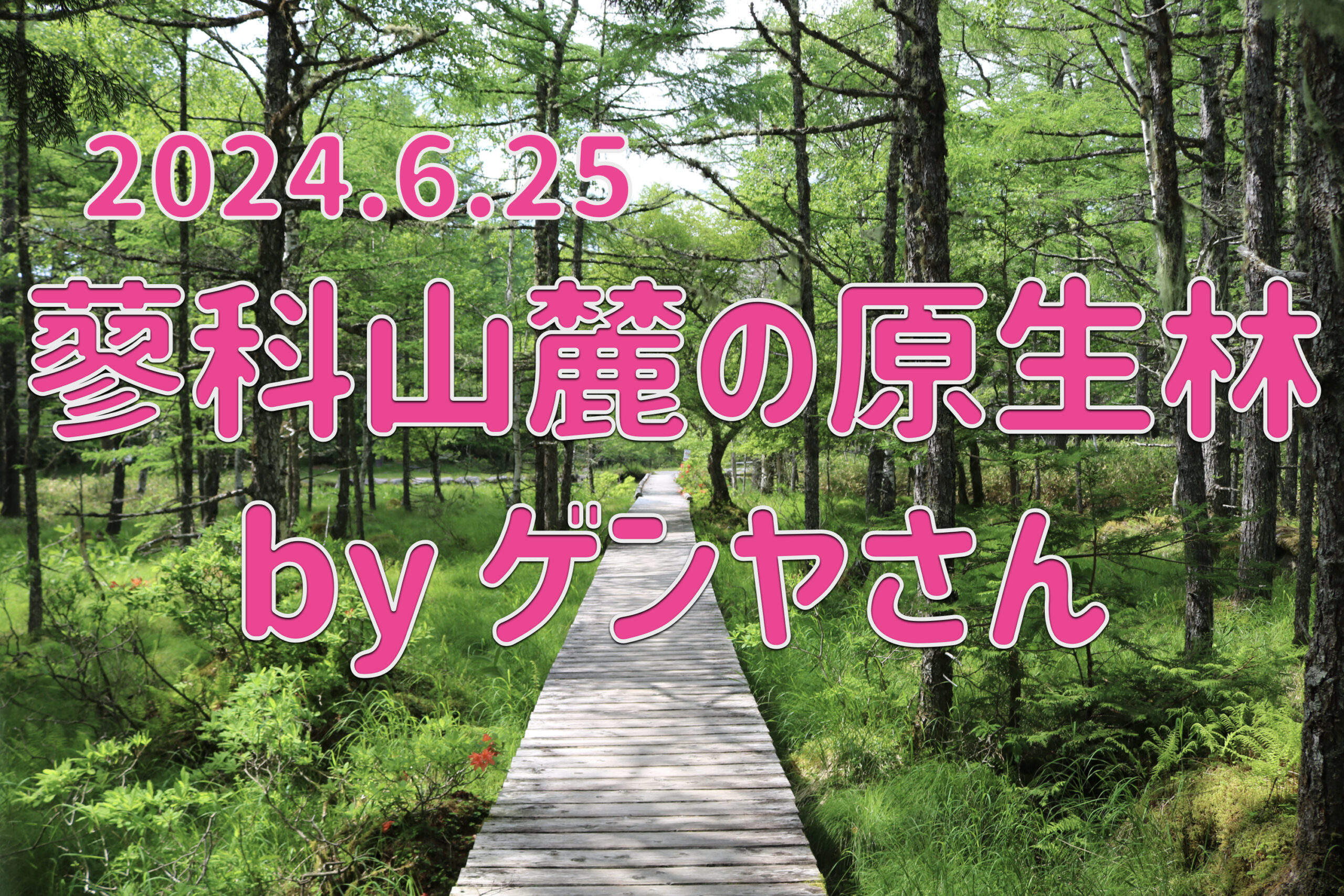
In late June, the snow on Mt. Tateshina was faintly visible in the valleys, but I went to see nature at Gosen-sui Nature Park, a walking trail through a virgin forest that spreads across the middle of Mt. Tateshina at an altitude of 1,830m. Surrounded by coniferous forests such as larch and silver fir, it is home to an abundance of alpine plants and wild birds. In the high altitude areas, there is a subarctic virgin forest, in the middle areas there is a wetland, and in the low altitude areas there is a...
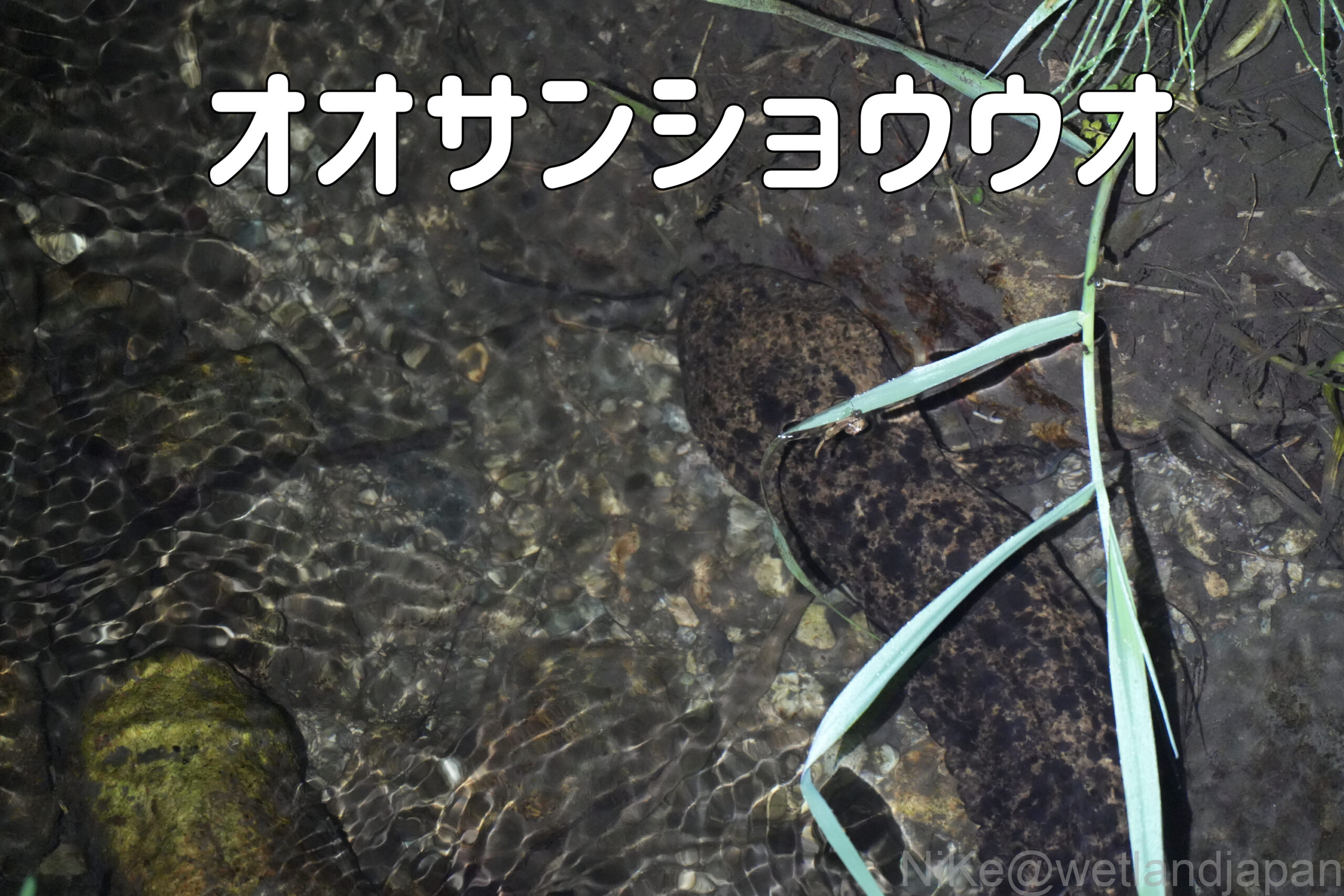
The giant salamander is the largest amphibian in Japan. It is a popular creature because of its huge size, which sets it apart from other amphibians. What is a giant salamander? It is the largest amphibian in Japan, living in western Japan. It can grow up to 150 cm, but in the wild it is about 50-70 cm. Either way, there is no doubt that it is the largest amphibian in Japan. This time's catch. The largest amphibian in Japan...
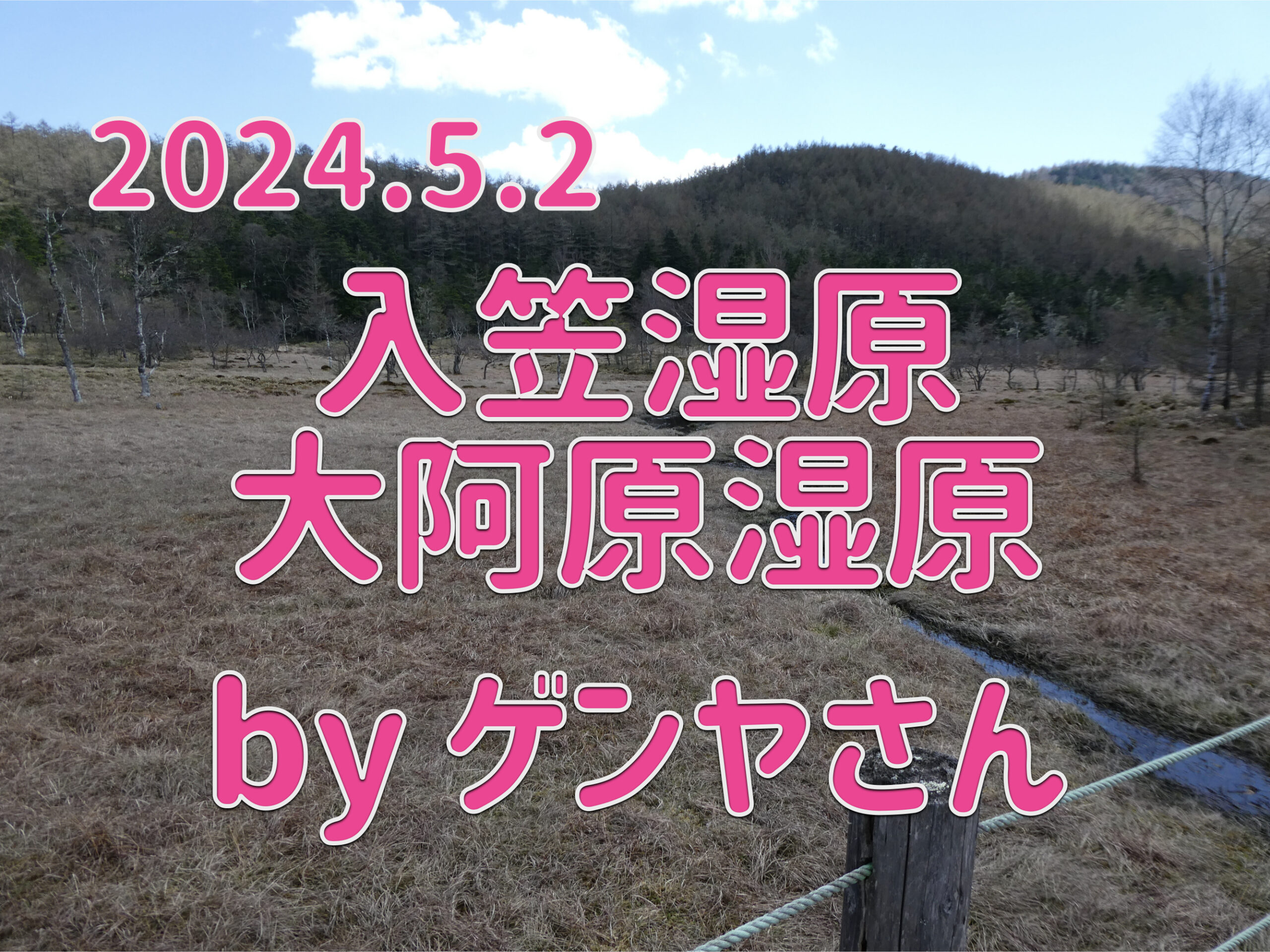
Once you pass Kofu on the Chuo Line, you can see the peaks of the Southern Alps, reaching 3000m above sea level. Once you pass Fujimi, the mountain range changes to a gentler one. Among them is the Fujimi Kogen Panorama Resort, with Mount Nyukasa at its peak. There is also a gondola that takes you from an altitude of 700m to the plateau at 1700m in one go. The views and seasonal flowers are a...
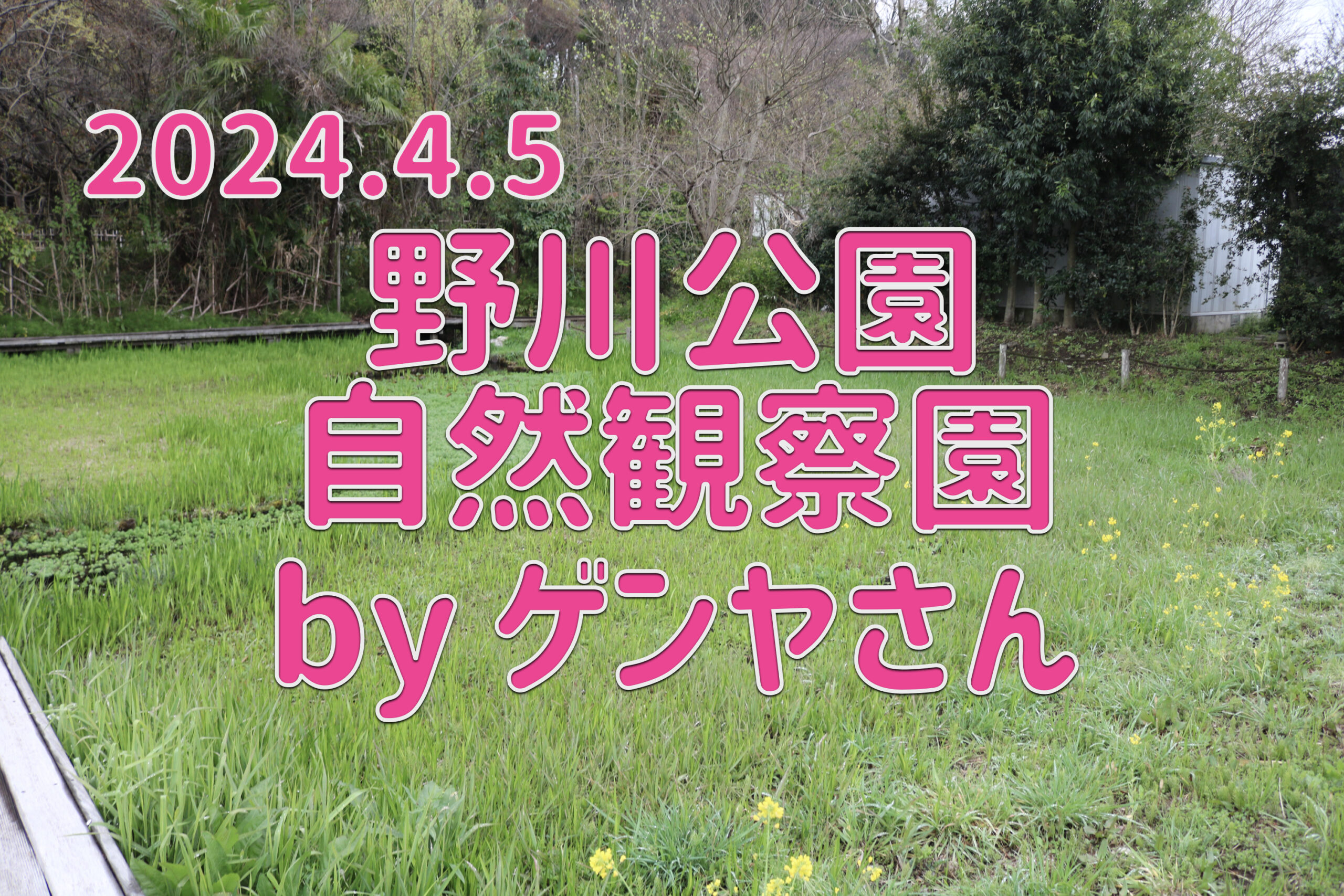
Genya seems to have been exploring the spring marshes. Although it is in Tokyo, it seems that the area is full of abundant water and nature that grows there! Exploration Long ago, the Tama River meandered repeatedly, and a cliff was formed in the area of Kitatama due to river erosion. It is called the Kokubunji Cliff Line (locals call it "hake"). Along the Kokubunji Cliff Line, there is a 20km long river that flows into the main Tama River, called the Nogawa...


 ENGLISH
  JAPANESE