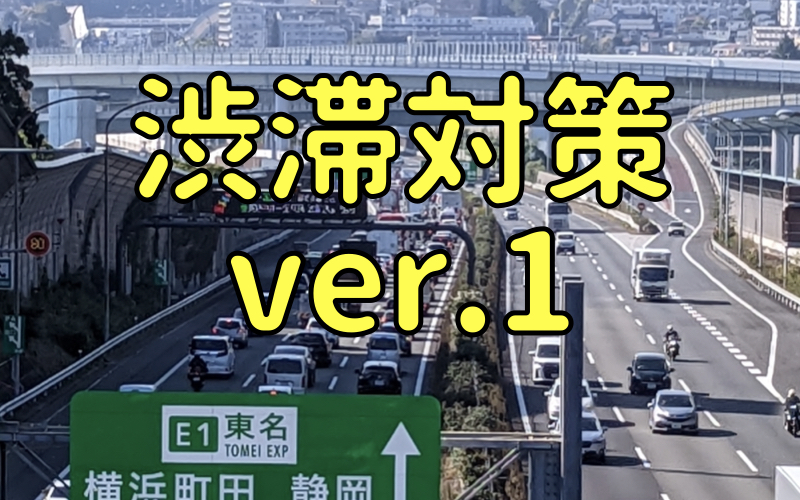
Traffic jams are unavoidable when you go out by car.
Traffic congestion is inevitable, and we must consider how to deal with it, assuming that it will occur.
While it can be difficult depending on the style of travel and the situation the next day, I have several alternative plans in place.
Countermeasure 1: Know the time and location of the occurrence.
Traffic congestion can be divided into inevitable and accidental types.
For example, you can almost always expect traffic congestion on the Chuo Expressway from Dangozaka to the Kobotoke Tunnel on Saturday and Sunday evenings.
This type of situation should be treated as a given.
In other words, traffic congestion can be somewhat alleviated by gaining knowledge.
By knowing the locations where traffic jams consistently occur on your usual route, you can reduce the chances of getting caught in a traffic jam that brings you to a complete standstill.
On the other hand, accidental traffic jams are caused by accidents, lane closures, and other factors. The former, in particular, is difficult to predict and avoid.
At the very least, you should always check the road conditions at service areas (SAs) and parking areas (PAs).
Countermeasure 2: Travel at a different time than others.
Traffic jams have various causes, but the underlying reason is that they occur when there are many cars.
Therefore, a simple and effective strategy is to pass through congested areas when there are fewer cars.
For example, since I know it gets crowded on Saturday mornings, I leave Friday at 9:00 PM and leave Saturday at around 3:00 AM.
The roads are quite empty late at night and early in the morning, and it's safe to say that these are times when traffic jams are virtually nonexistent.
If you have the physical stamina and flexibility in your time, this is the best method.
If you depart at night, you can arrive at your destination early in the morning, which means you might be able to take photos of wild birds or the sunrise.
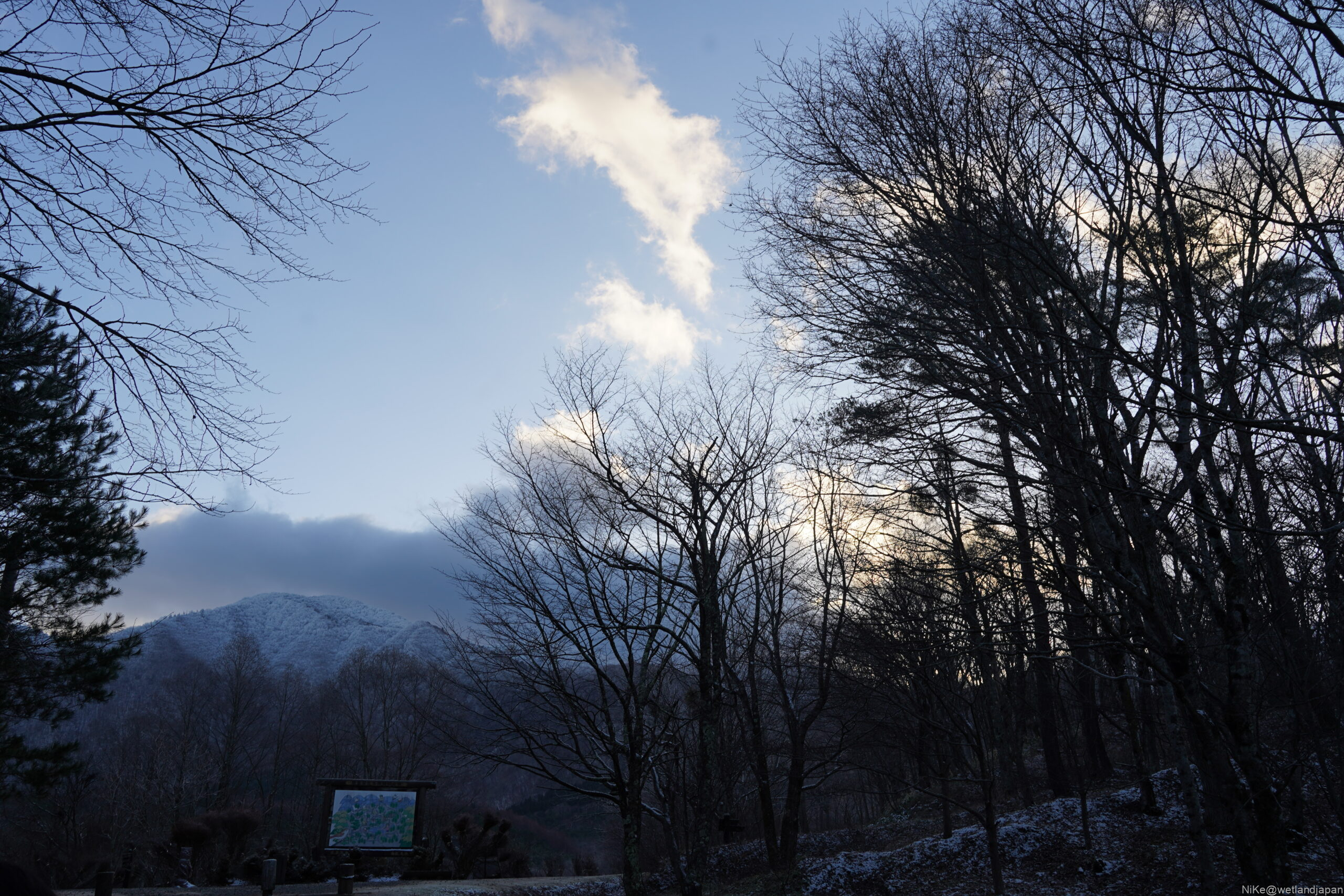
Solution 3: Eat a meal before going home
On the way home, everyone wants to avoid feeling tired the next day, so roads heading towards the Tokyo metropolitan area in the evening are almost certainly going to be congested.
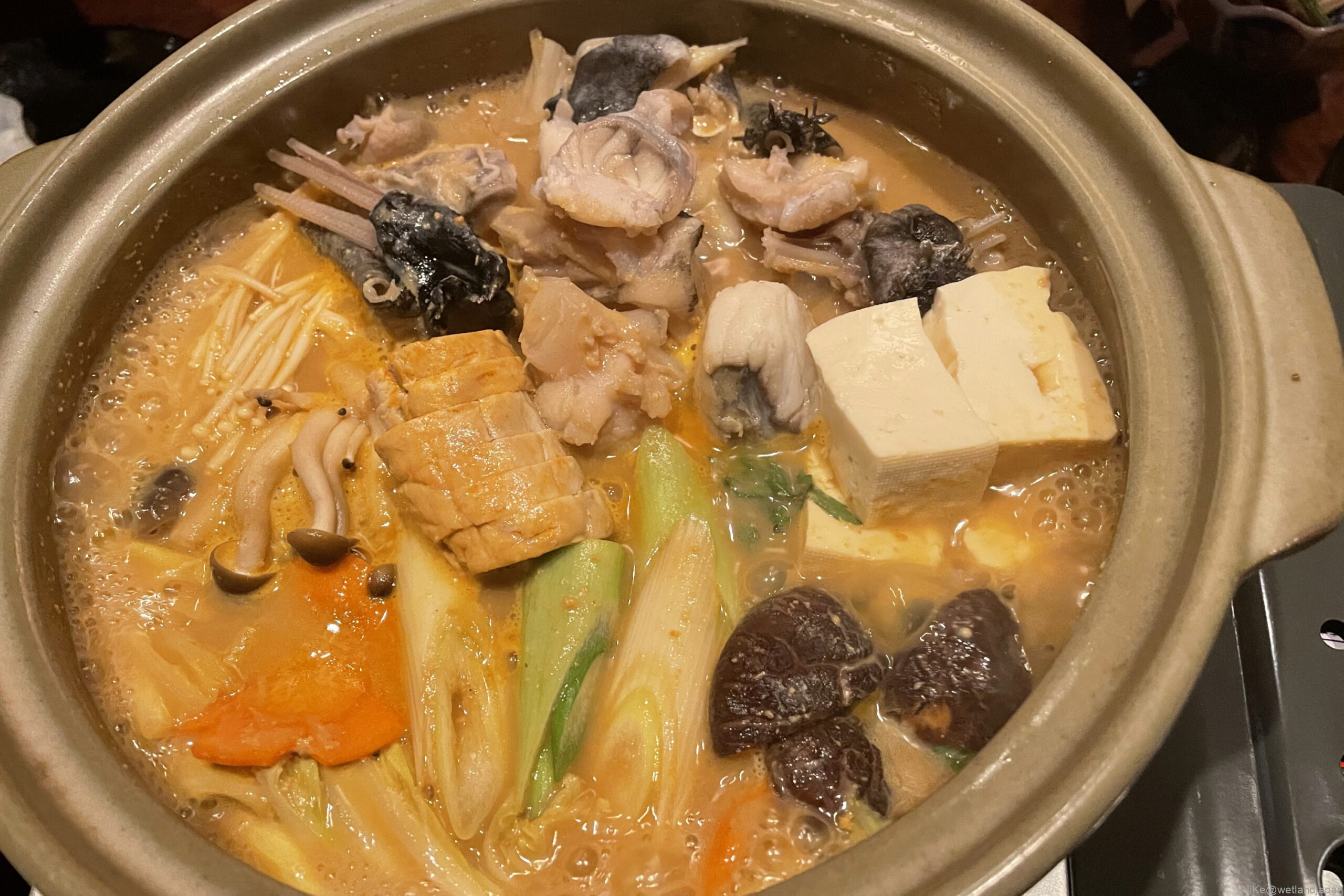
Ultimately, rushing home only leads to traffic jams, so I often eat dinner at my destination before heading home.
We'll be leaving the location sometime between 6:00 PM and 7:00 PM.
If you're going to be stuck in traffic anyway, you might as well eat something delicious at your destination before heading home.
Another advantage is that eating a meal beforehand prevents you from having to think about unnecessary things.
By understanding when your route home starts to become less crowded, you can adjust your actions accordingly.
Although it is our aim, it doesn't always work out.
Strategy 4: Wait patiently for good fortune to come.
If traffic is already congested, forcing your way through won't get you home any faster.
Getting stuck in traffic and having to alternate between pressing the accelerator and brake is surprisingly draining of concentration.
Furthermore, rest stops and service areas get crowded during traffic jams, making it stressful if you need to use the restroom. Therefore, I think it's better to take a break earlier.
Find a parking area (PA) or service area (SA) one or two stops before the start of the traffic jam and take a 30-minute nap.
This, combined with the fatigue from playing, makes for a very pleasant sleep.
By taking a break at a service area (SA) or parking area (PA), drivers can recover their energy while the traffic congestion eases.
Once the traffic starts to clear, you can set off with a clear head!
If you're prepared, you can read a book or play games, so you can wait quite comfortably.
Countermeasure 5: A detour hoping for a lucky break
Although it's not very versatile, sometimes a detour is used.
Personally, I prefer to take a slightly longer route if it avoids traffic jams.
To give a fairly good example, when returning to Tokyo from Koriyama in Fukushima, there is almost no difference in travel time between taking the Joban Expressway and the Tohoku Expressway.
In that case, choosing the Joban Expressway, which is less prone to traffic congestion, could be a good option depending on the circumstances.
It's worth investigating whether there are any other routes.
summary
This time I introduced my method for dealing with traffic jams.
To summarize briefly, it is as follows.
- Design it so that you can get through areas that are congested late at night or early in the morning.
On the way back, have dinner at the local restaurant and leave a little later.
・Take a good rest instead of rushing into traffic jams
Since I started making these efforts, traffic jams have become like break times, and I feel more at ease mentally.
I'll add any new strategies I come up with!
 ENGLISH
 JAPANESE
Comments