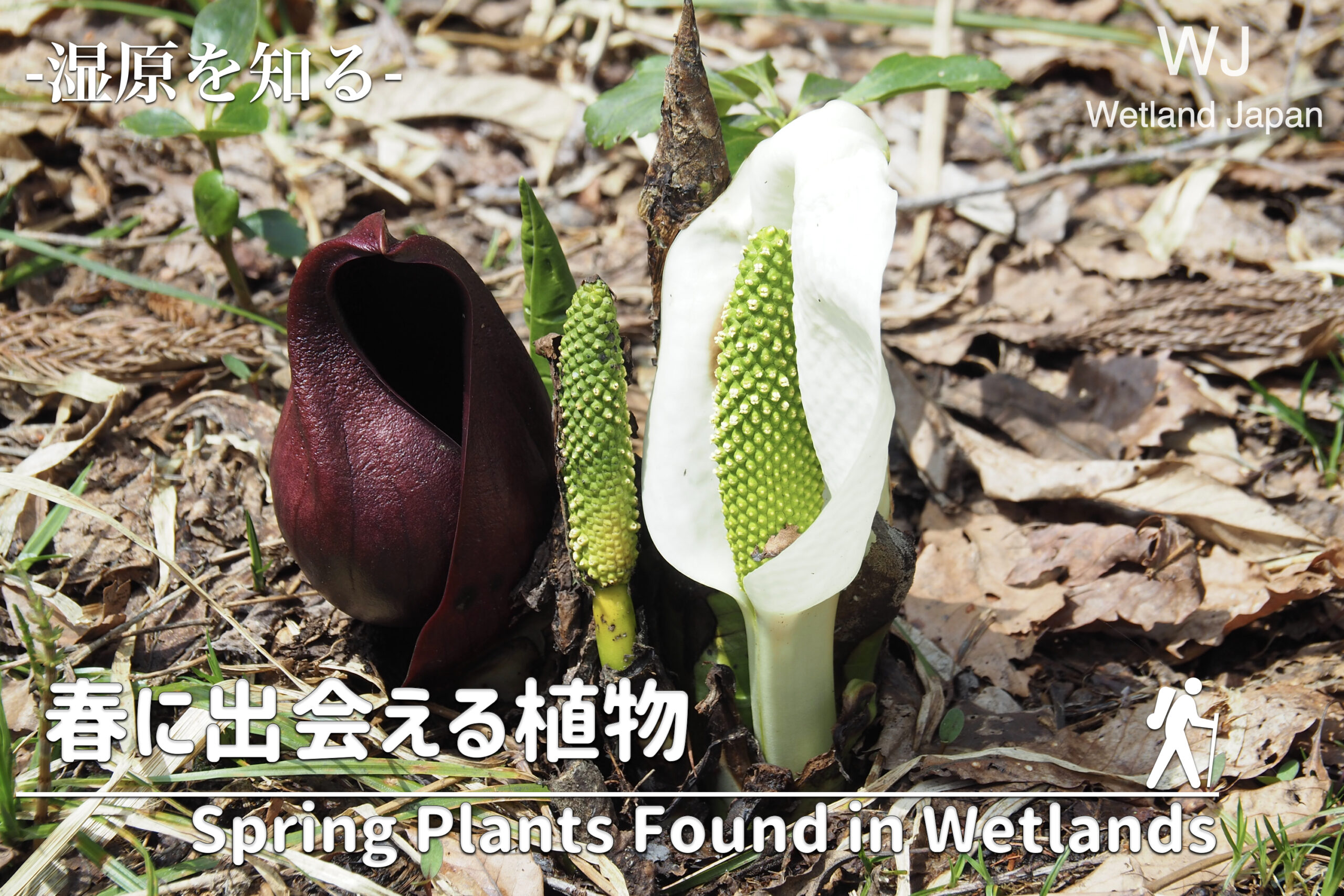
Traveling through the wetlands in spring, you'll encounter a variety of plants.
Here, we will introduce plants, focusing on flowers commonly found in wetlands in early spring.
Plants that bloom by the water's edge
These plants can only survive in environments with abundant water, and many are unique to wetlands.
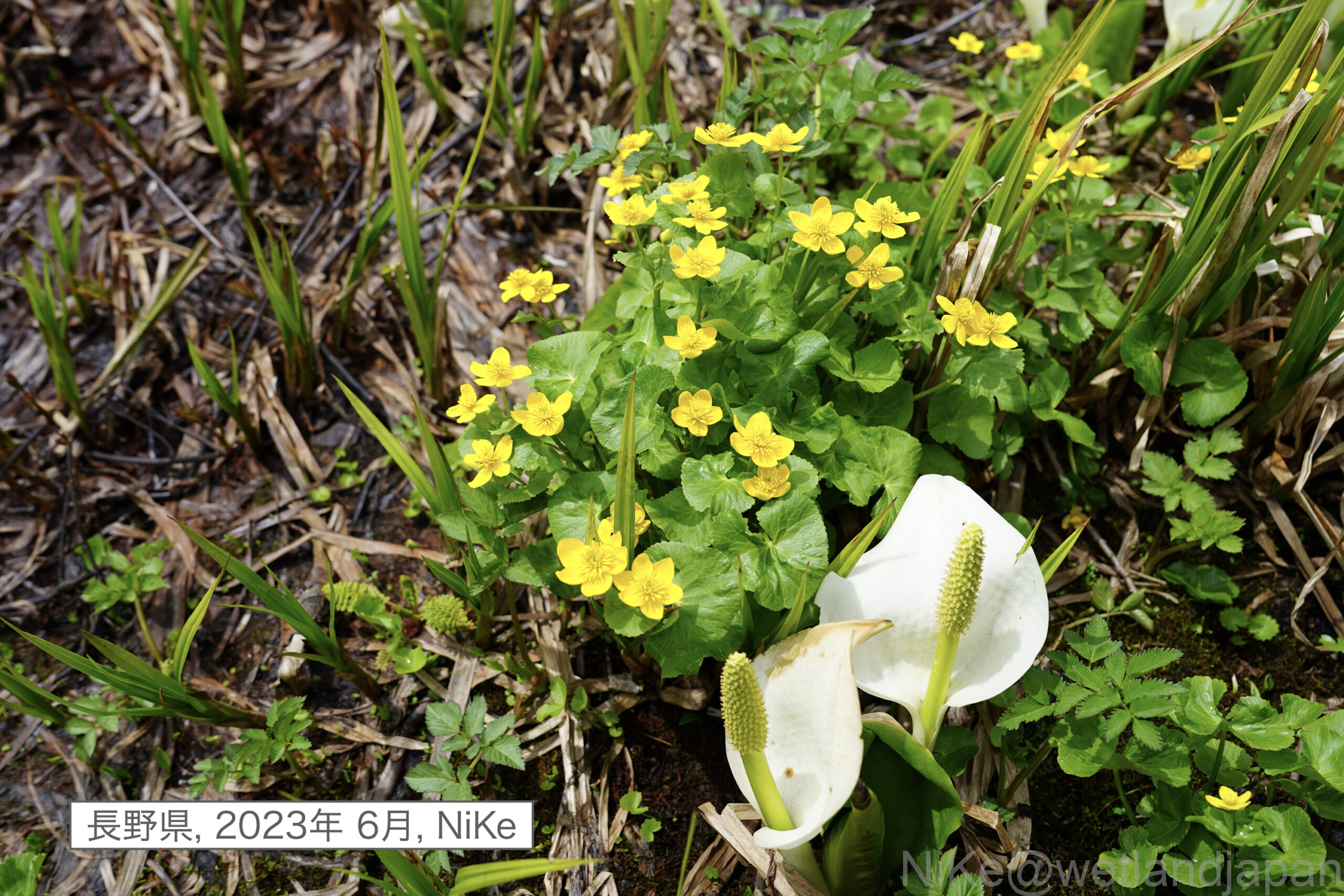
Skunk cabbage
This plant is characterized by its beautiful white flowers.
It's the most popular attraction in the wetlands, and it's not difficult to see if you go in season.
It is widely distributed, from famous wetlands like Oze to small wetlands in various regions.
In lowland areas, the best time to see them is from late March to early April.
In mountainous regions and other areas with low temperatures, they can be seen around June.
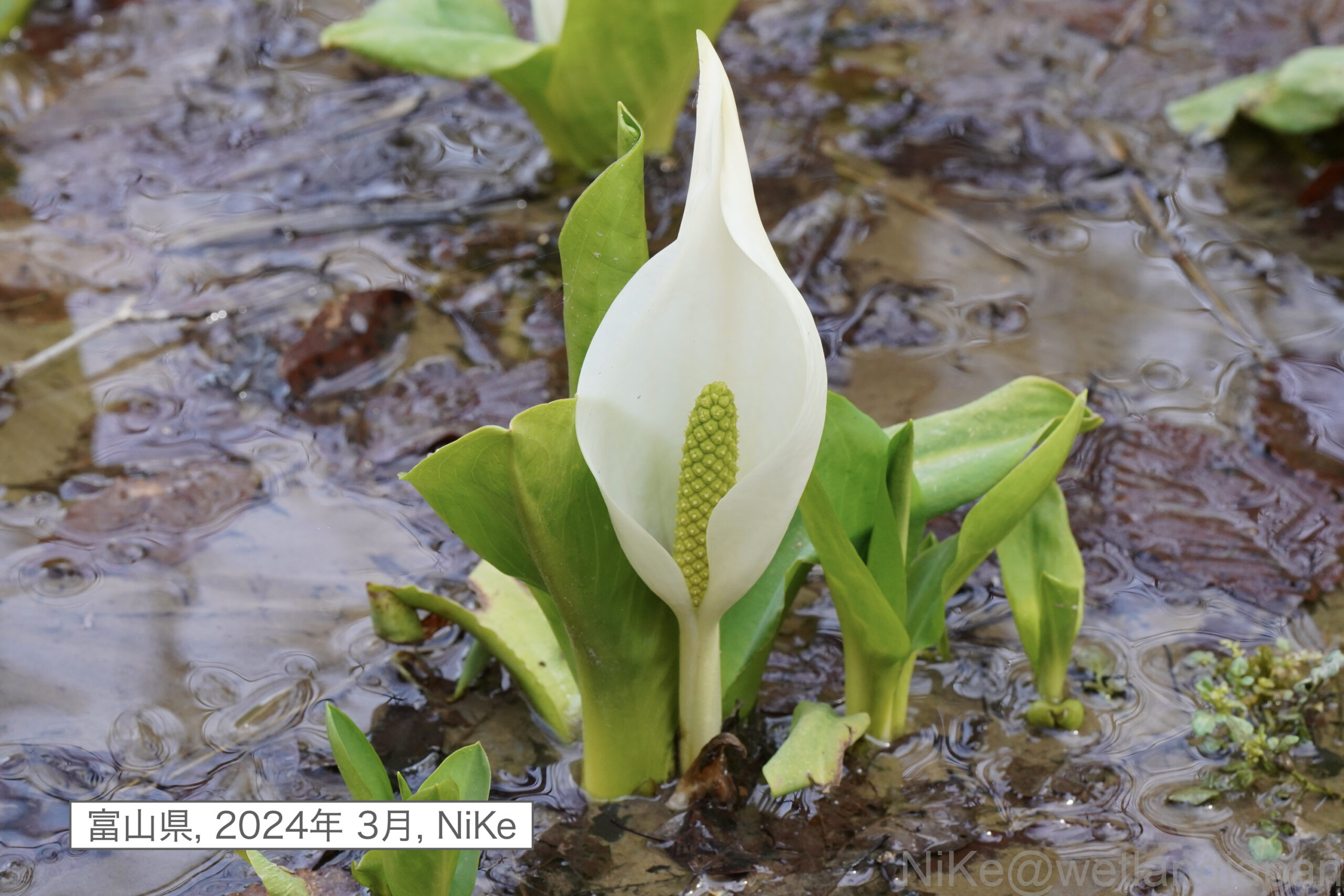
Since they live near water, many skunk cabbages bloom in wetlands that are irrigated by the snowmelt in early spring.
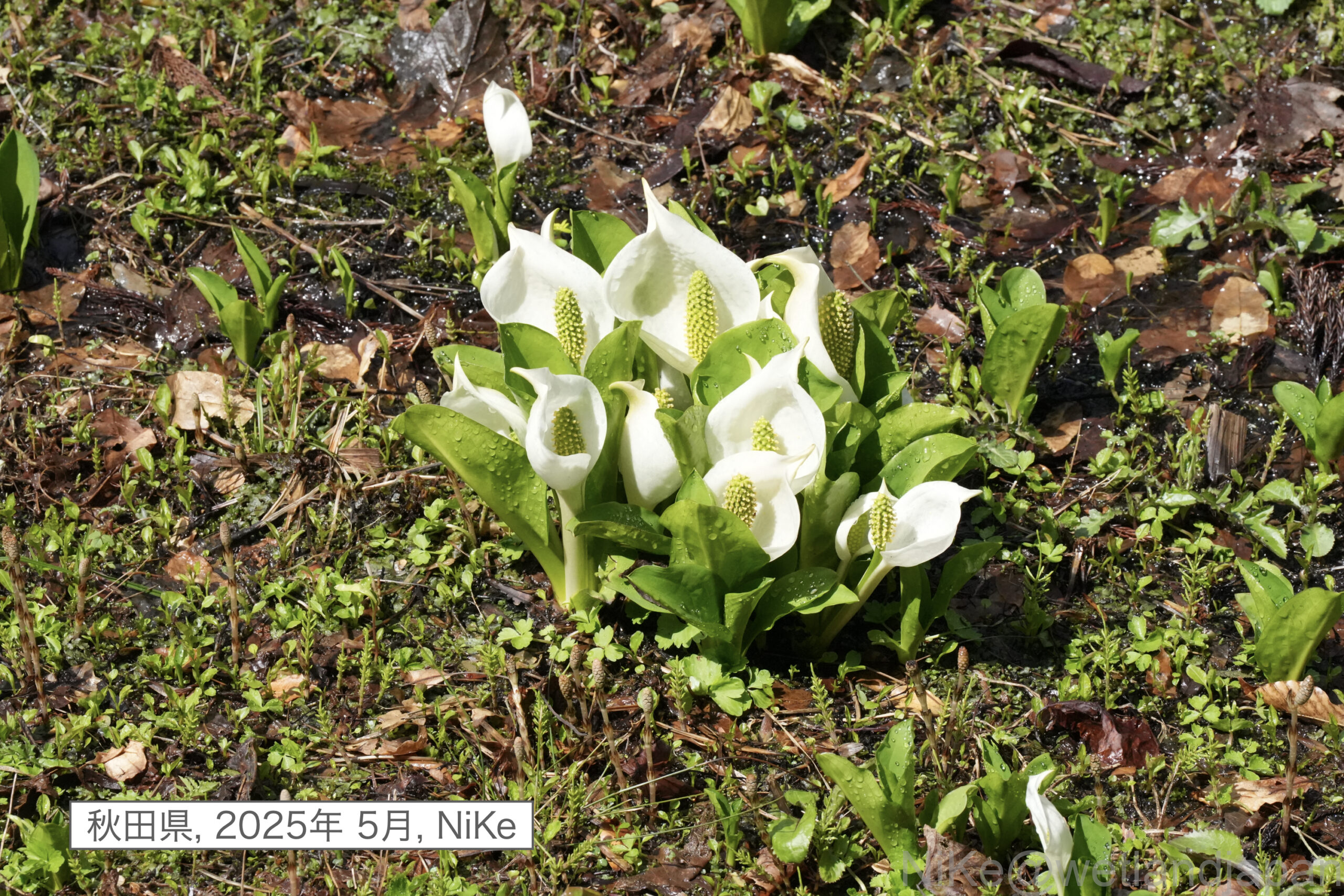
While clusters of several plants give the impression of many flowers blooming together, they can also form clumps as shown in the diagram on the right.

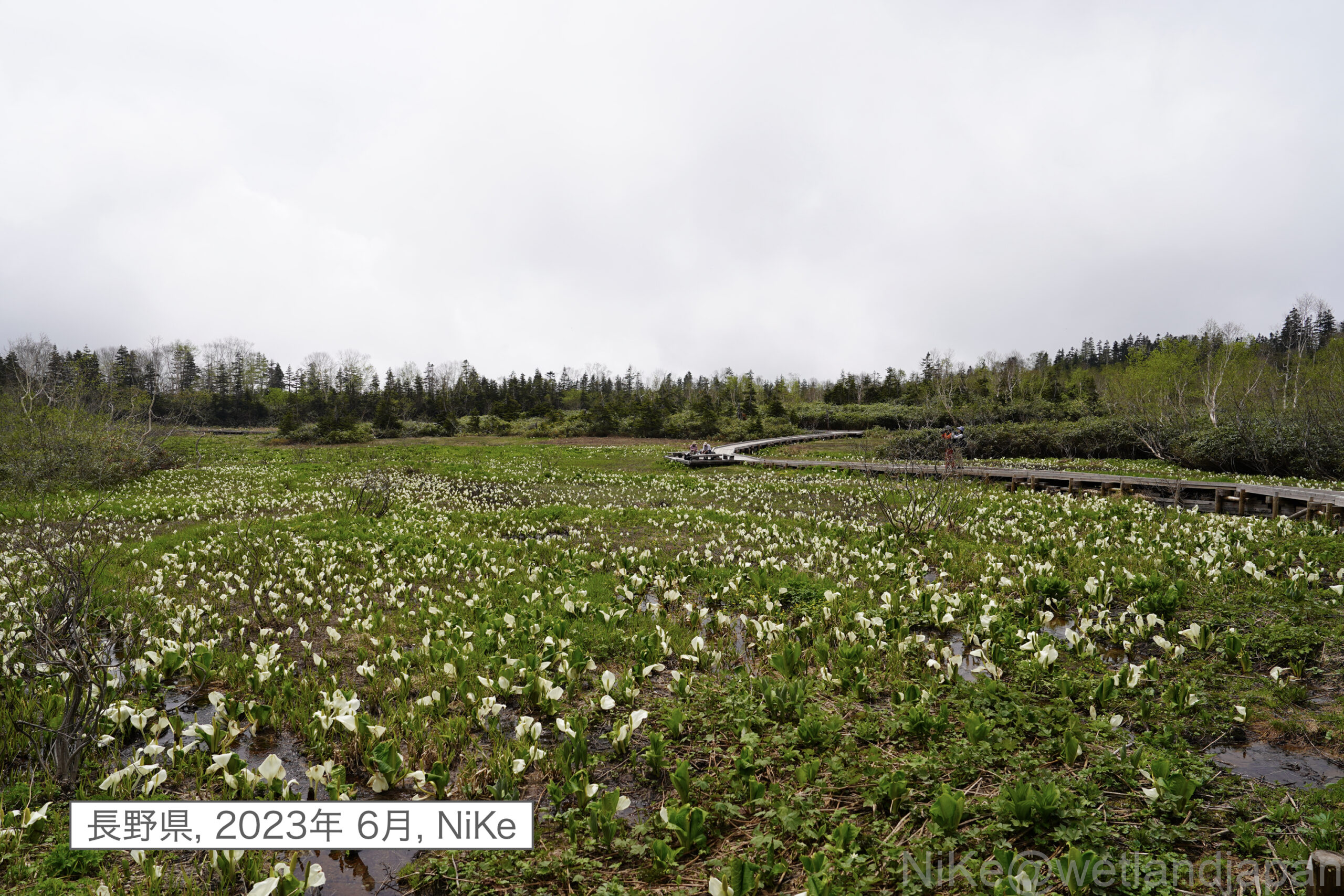
The sight of them blooming so profusely that they fill the entire field of vision is truly breathtaking.
It has a distinctive scent, and the areas where they grow in clusters smell like skunk cabbage.
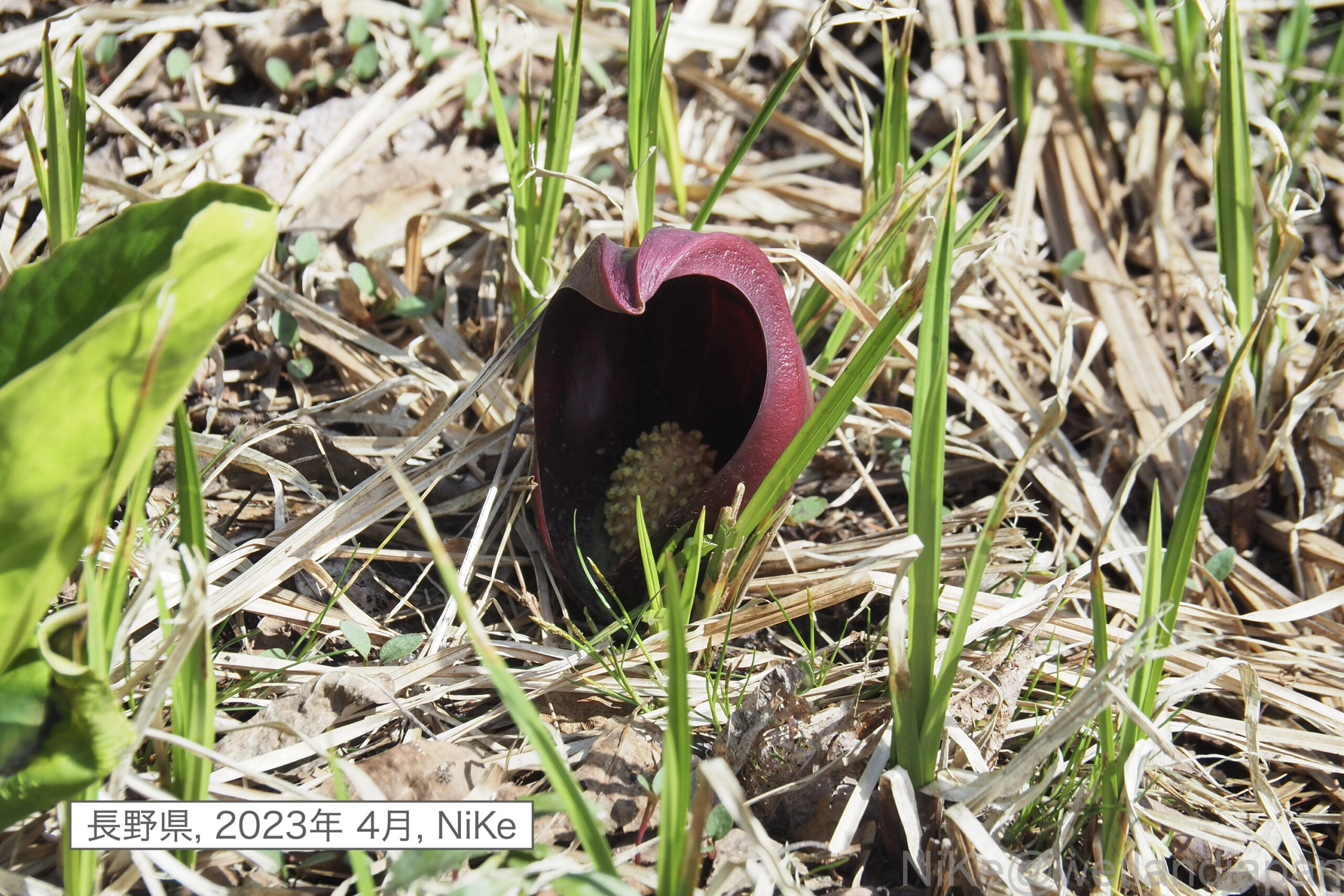
Skunk cabbage
In contrast to the skunk cabbage, it produces beautiful wine-red flowers.
It inhabits similar environments to the skunk cabbage, but it is found in fewer areas.


marsh marigold
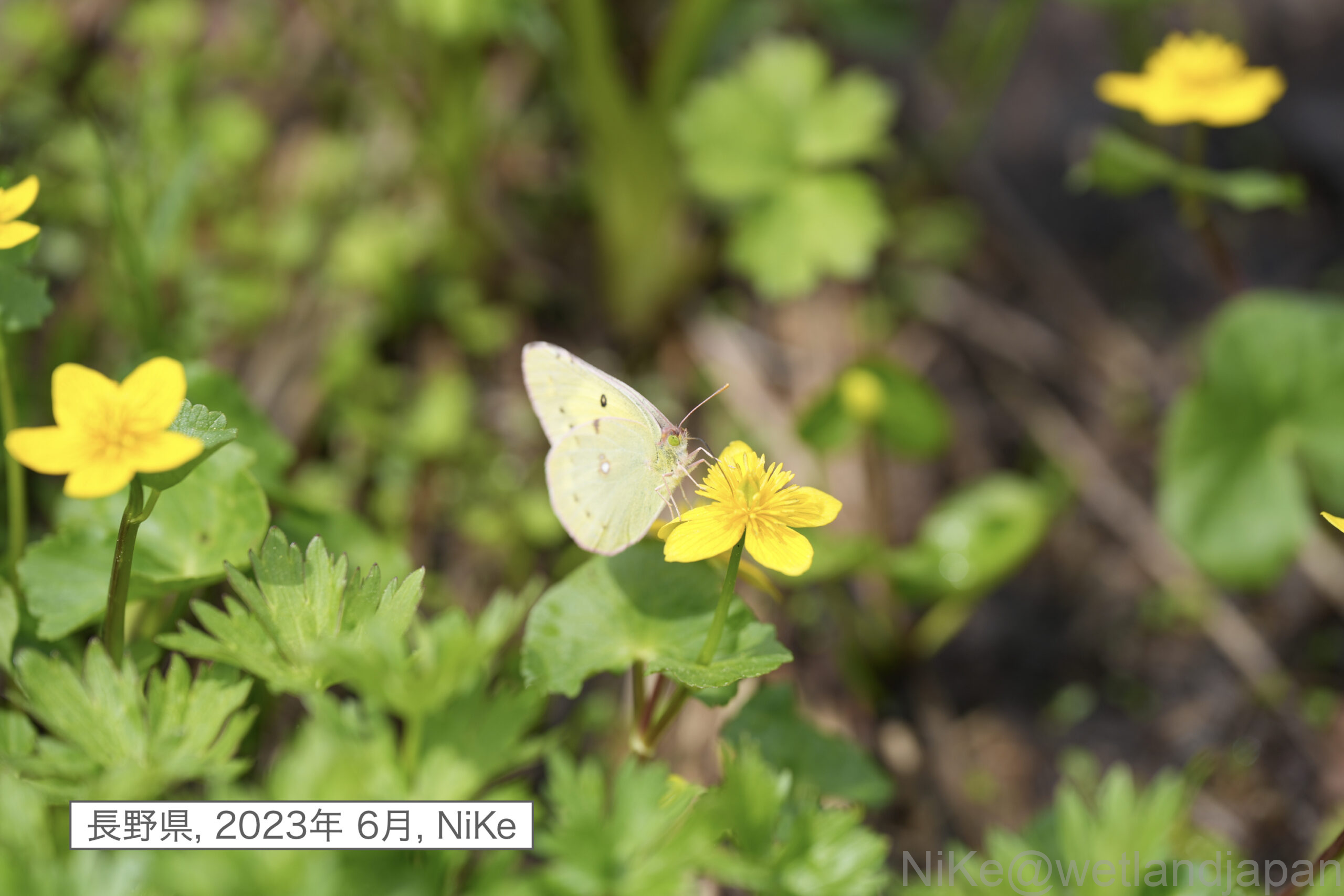
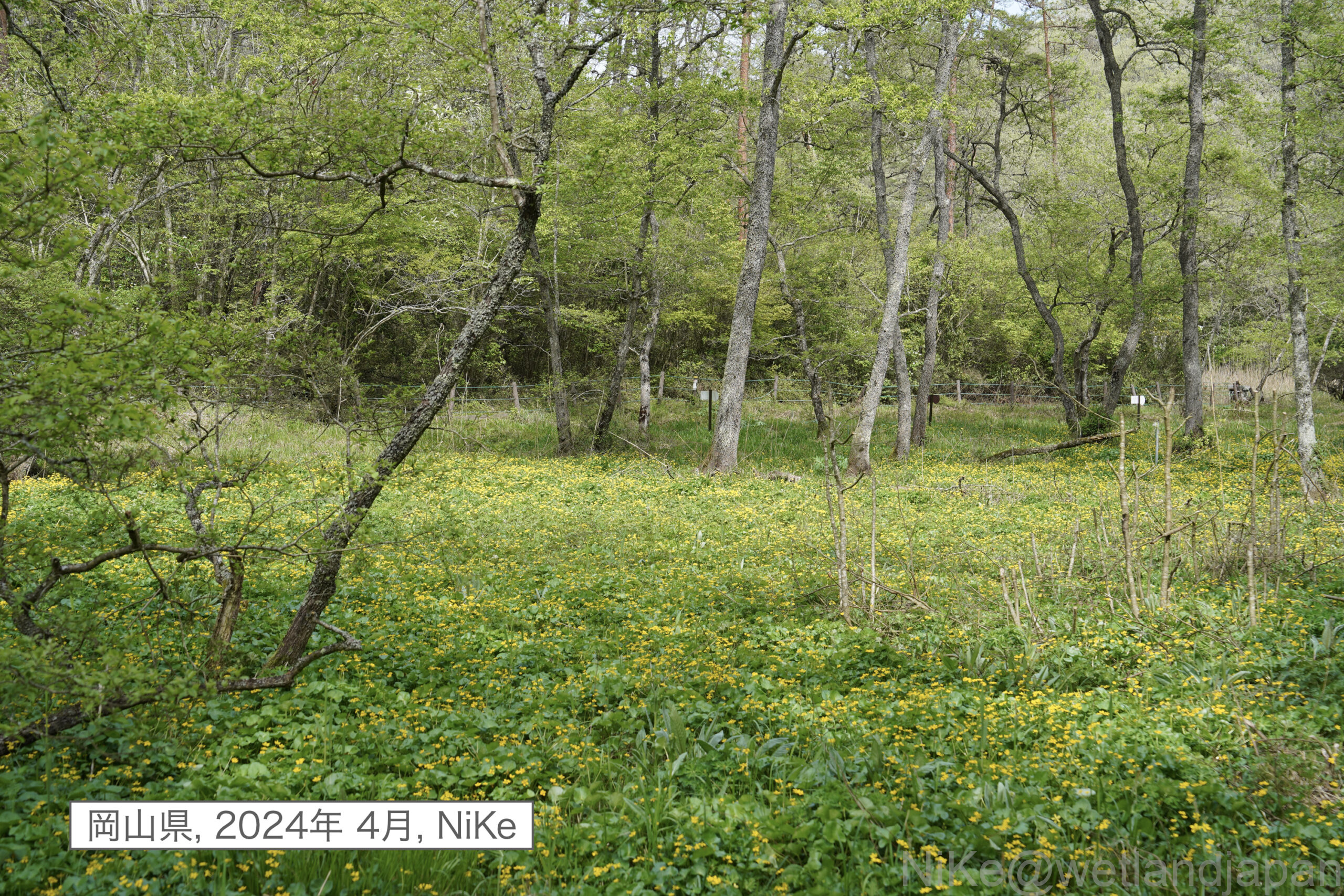
It can be found in environments similar to those of skunk cabbage.
The yellow flowers are striking and lovely.
I have the impression that they bloom in places with flowing water.

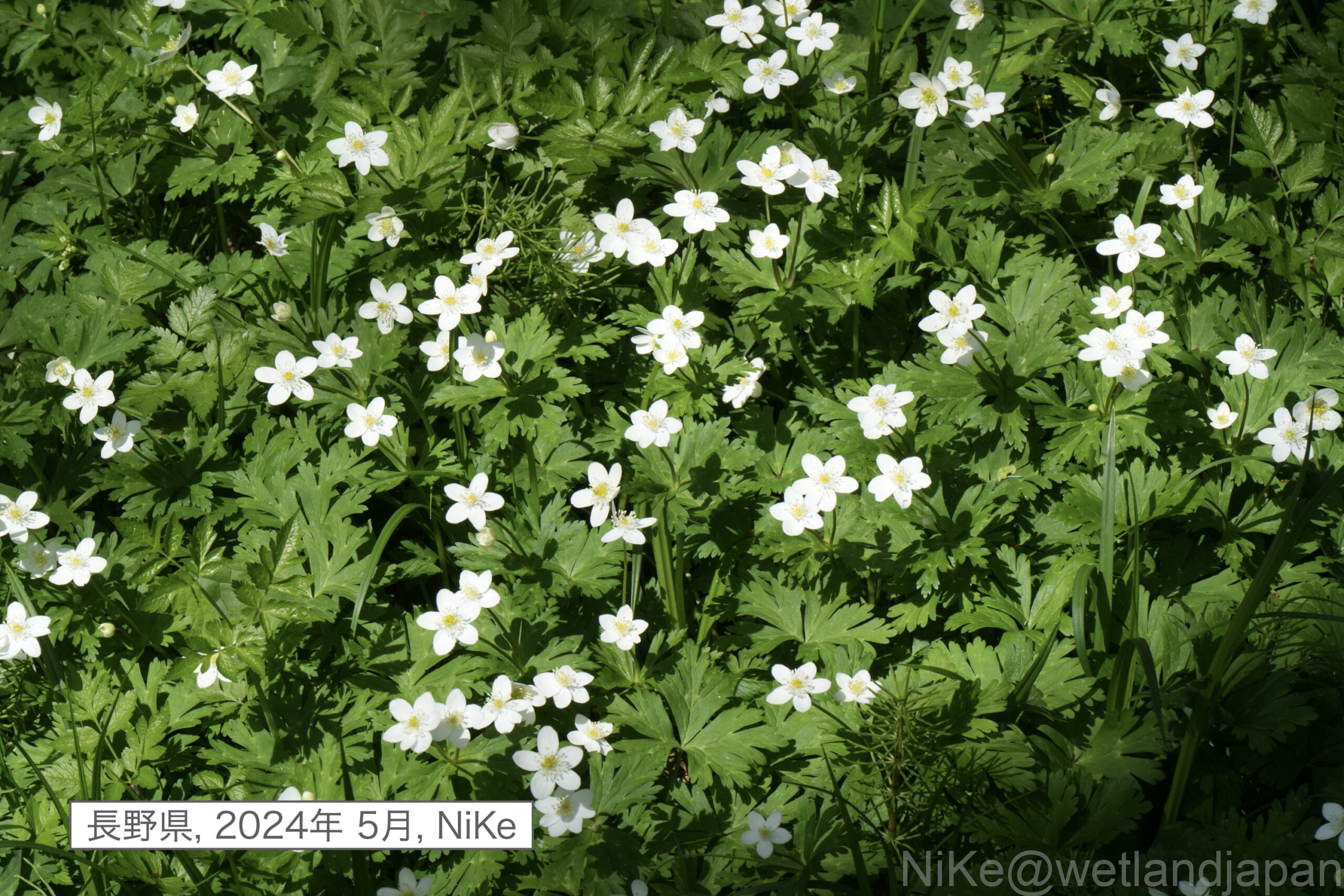
Nirinsou
White flowers blooming around the flowing water area.
They grow in clusters, covering the entire area with white flowers.
Plants that bloom in somewhat dry areas
This plant inhabits somewhat dry environments and can be found in forests near water sources such as wetlands.
In areas with heavy snowfall, they can be seen even around hearths.
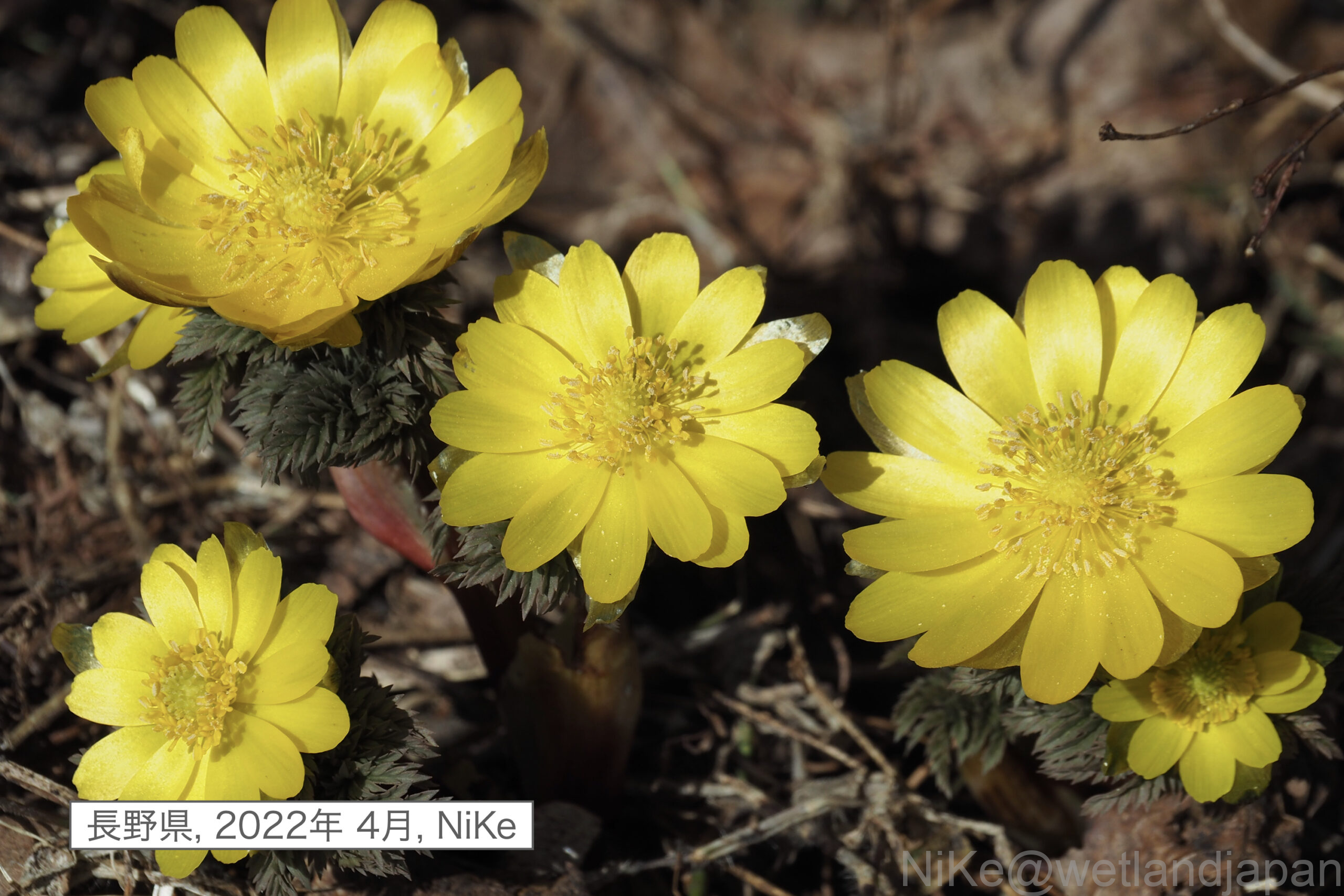
Adonis
Large, yellow flowers that bloom in early spring.
They add vibrant color to the wetlands, signaling the arrival of spring.
In areas with heavy snowfall, they can be seen even outside of wetlands.


Anemone nigricans
These white flowers are often found blooming along forest roads leading to wetlands.
They don't seem to grow very densely, but they are often seen in shady woodlands.

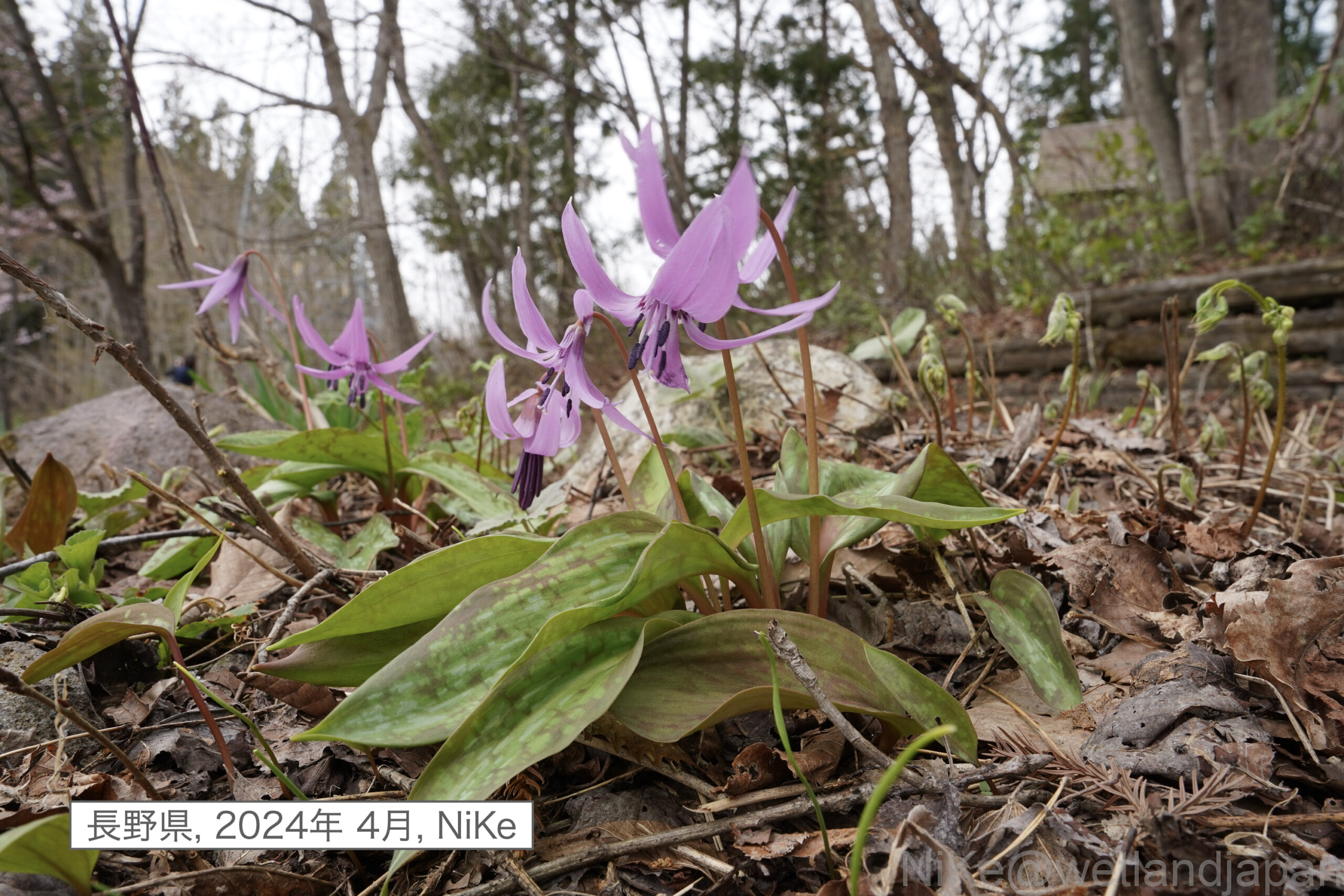
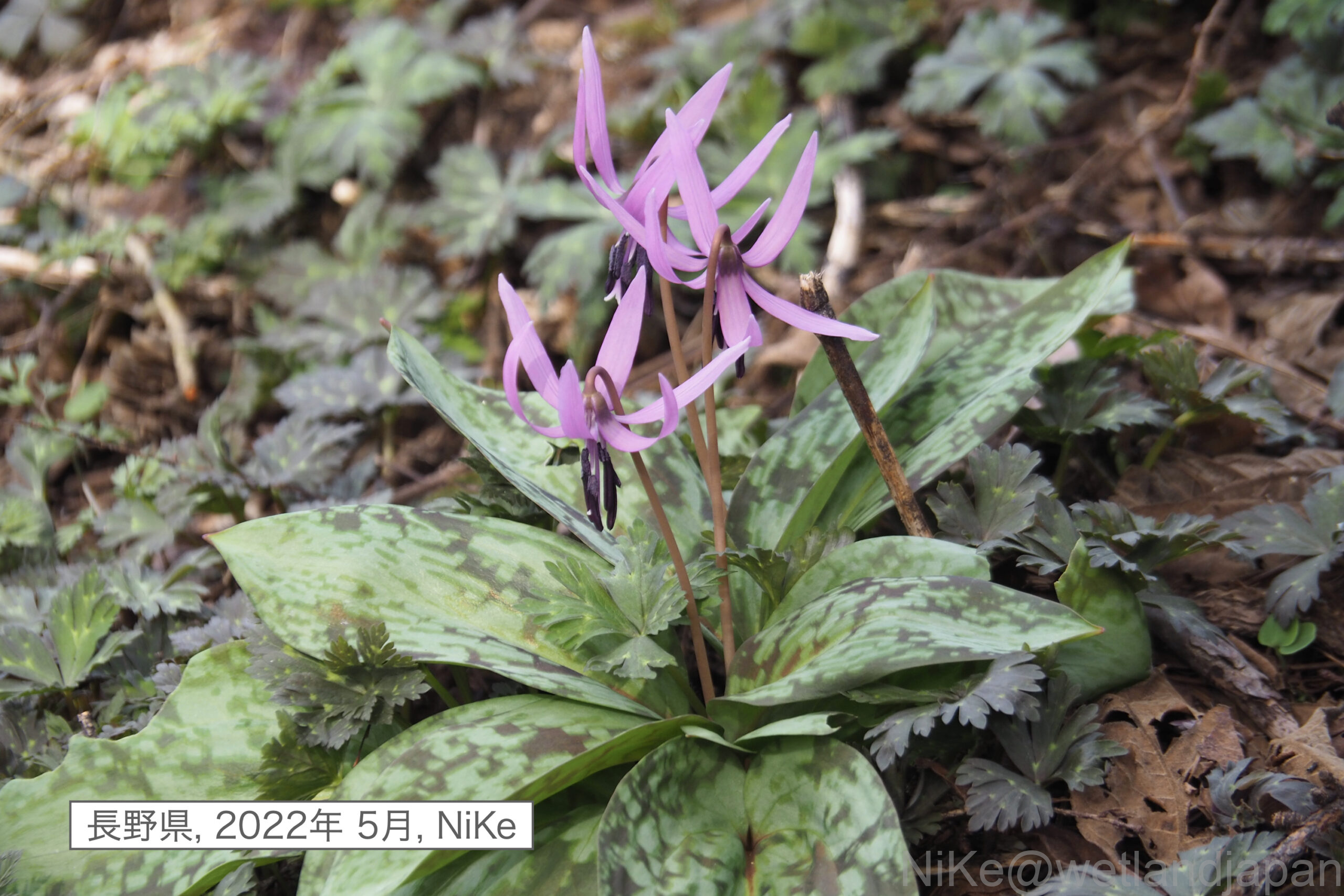
Dogtooth violet
It is commonly found in forests and other woodlands, and is characterized by its drooping purple flowers and variegated leaves.
I have the impression that they are often found on the slopes of shady forests.
Potato starch was once made from the roots of this plant (it is now derived from potatoes).
Flowers that bloom in dry areas
It can grow in arid areas and can be seen on forest roads leading to wetlands and on the roadsides in heavy snowfall areas.
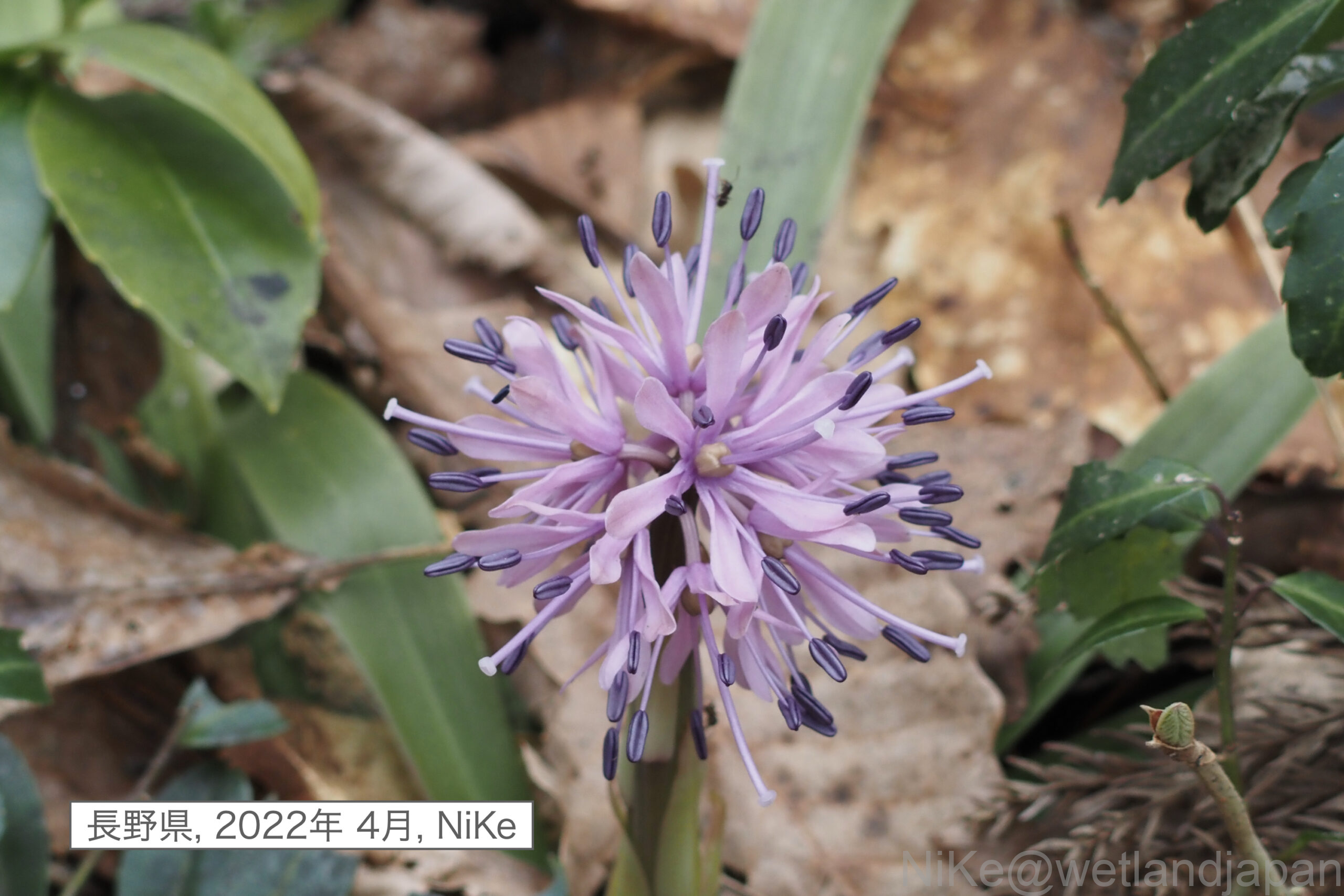
Scarlet croaker
The flowers have a distinctive shape, resembling a sparkler, which is quite striking.
It gives the impression of being found on the slopes of low mountains.
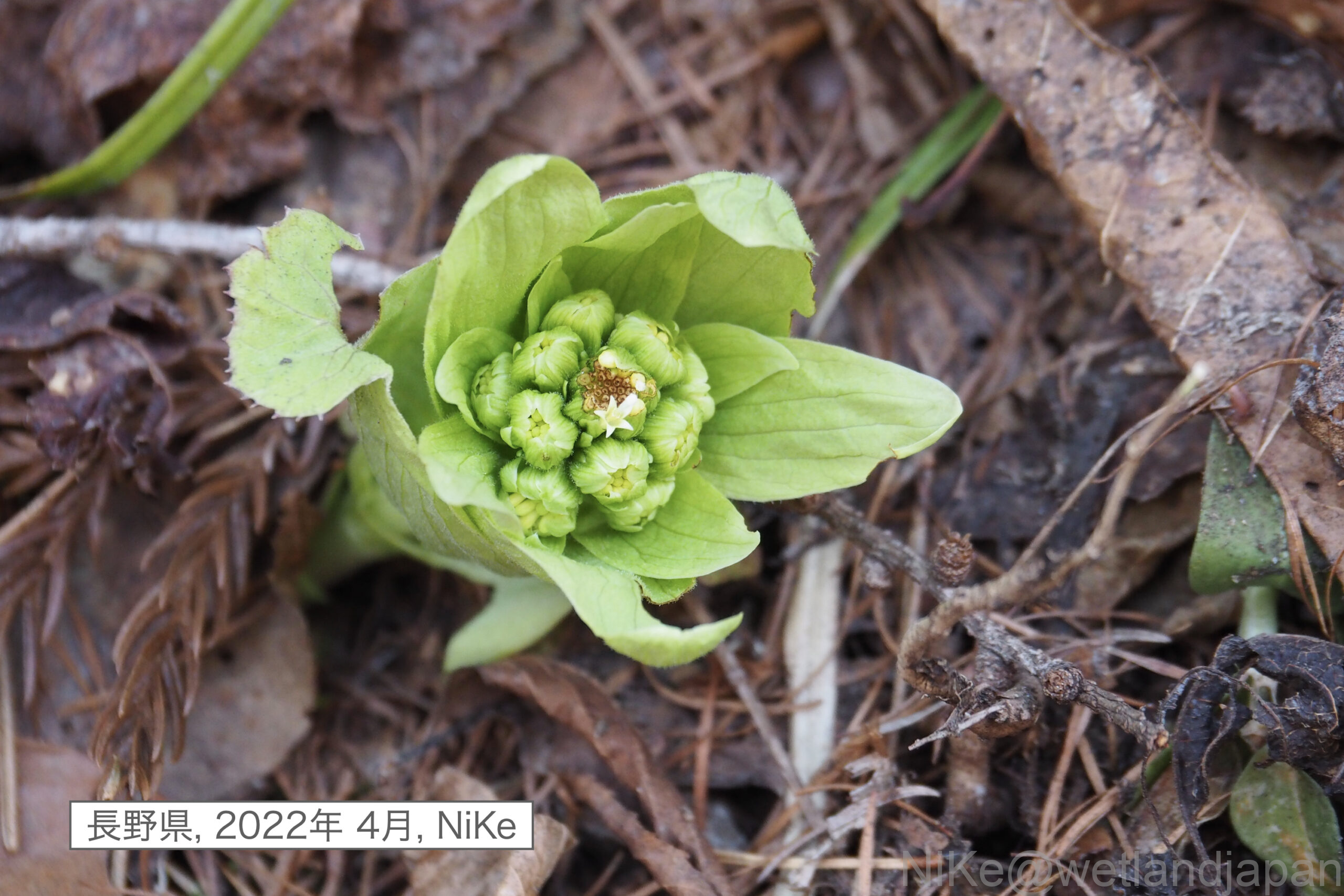
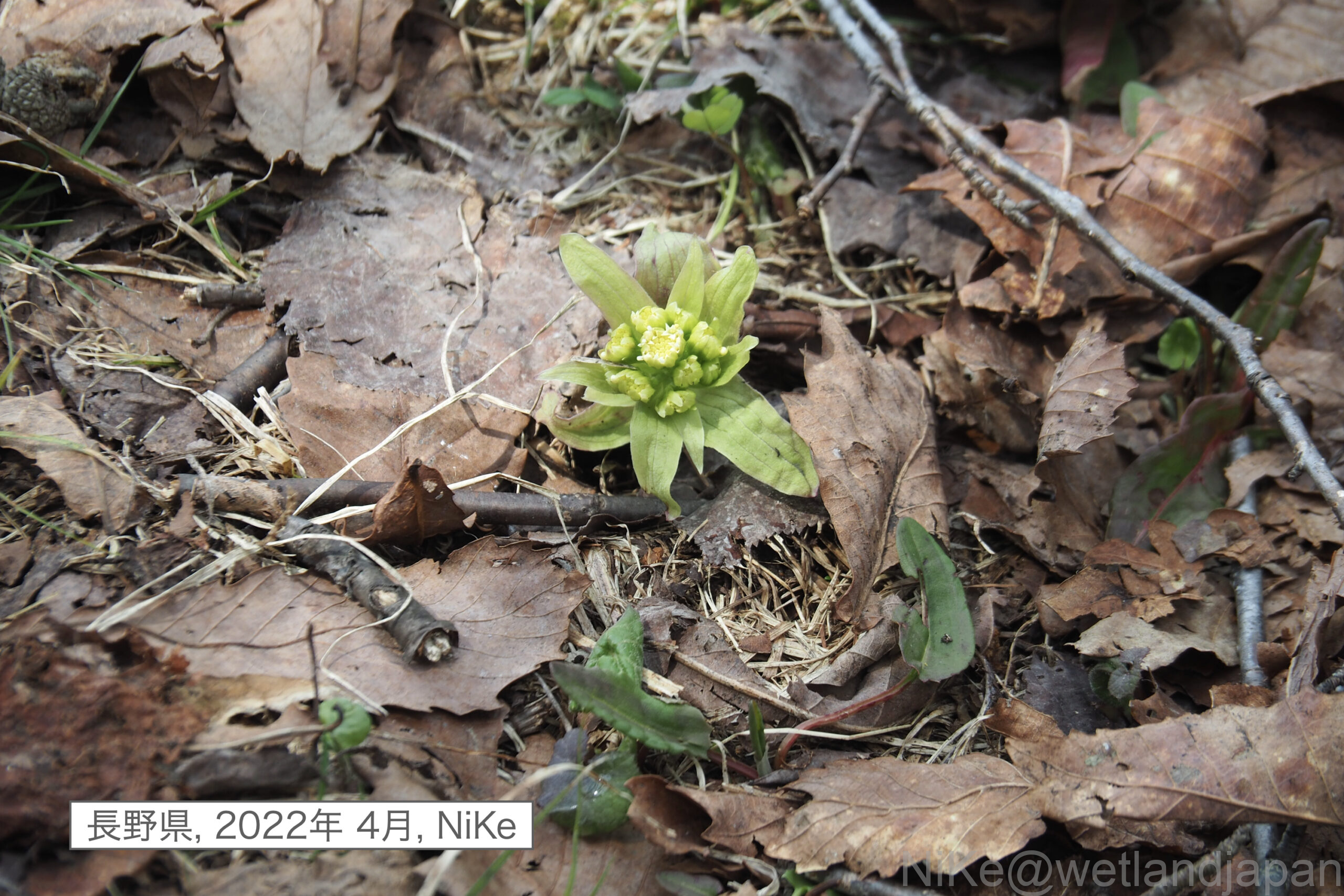
Butterbur sprouts
This plant is so common in early spring in heavy snowfall areas that it can be seen everywhere.
From this stage, it grows very quickly and produces fluffy seeds.
When used in dishes like fuki miso (butterbur paste) or tempura, its exquisite bitterness makes it delicious.
I can't help but buy them when I see them lined up at roadside rest stops and other places in early spring.
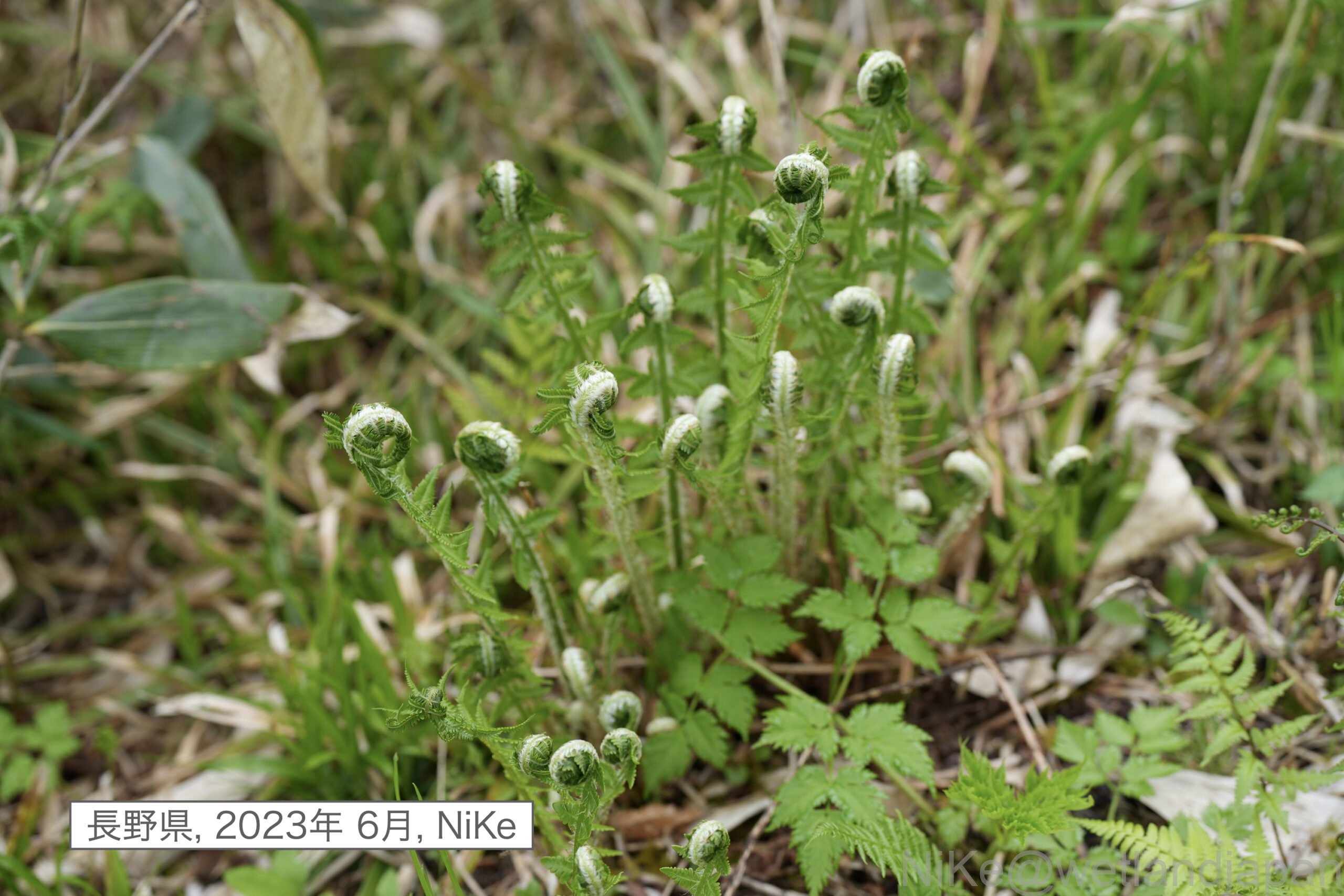
Kogomi
Ferns start popping up here and there in early spring.
The coiled state gradually unfolds and stretches out.
It tastes delicious when made into tempura.
I can't help but buy them when I see them lined up at roadside rest stops and other places in early spring.
summary
Springtime wetlands are adorned with a variety of plants.
Exploring things casually can be fun, but the more knowledge you gain, the deeper and more fascinating it becomes.
Just learning one thing at a time will broaden your horizons and make things more enjoyable.
 ENGLISH
  JAPANESE
Comments